Prasanna T. R. S.
Prasanna T. R. S.
prasanna[at]iitb[dot]ac[dot]in
(+91) (022) 2576 7639
Associate Professor
View profile
Research category

Prasanna T. R. S.
prasanna[at]iitb[dot]ac[dot]in
(+91) (022) 2576 7639
Associate Professor

Professor
Prita Pant
Email: pritapant[at]iitb[dot]ac[dot]in
Phone: (+91) (022) 2576 7616
Education:
Prita has taught a variety of courses encompassing theory, computation, and experiments. In all her classes, she encourages student participation in discussions both within and outside the classroom.
List of some of the courses taught:
Undergraduate courses: Mechanical Behaviour of Materials, Computational Lab, Mechanical working of Metals.
Postgraduate courses: Computational Lab, Topics in mechanical behaviour of materials, Mechanical behaviour of thin films and small structures, Communication skills
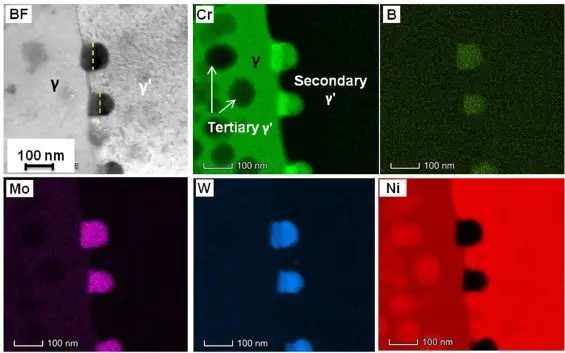
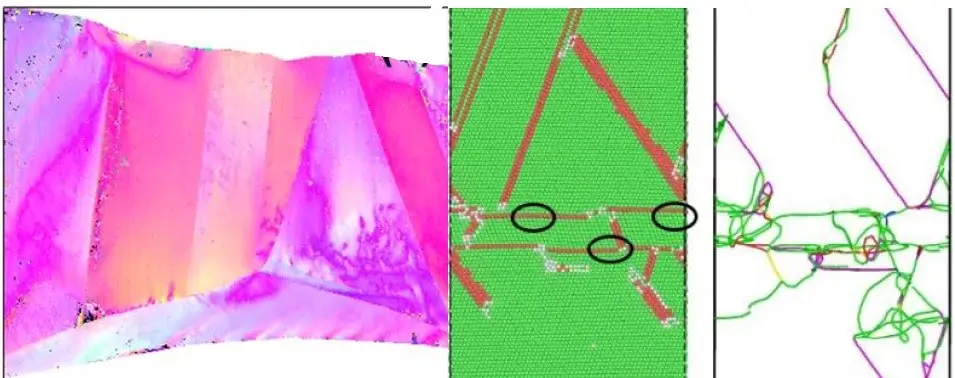
Prof. Prita’s research group has been working on investigating the links between the microstructure of metals and alloys and their plastic deformation, using a combination of experiments and modelling. Medium Mnsteels comprise the third generation of advanced high strength steels (AHSS), which have a combination of high strength and ductility. These properties are achieved by tailoring a twophase microstructure, which, during plastic deformation, undergoes deformation by multiple modes, namely twinning, phase transformation and dislocation slip. We show that both twinning and phase transformation can occur depending on the local composition of austenite grains (Fig 1) [2]. Ni based superalloy GTD444, is used to make directionally solidified blades for later stage turbines. Since Boron is added as a grain boundary strengthener, the microchemistry near boundaries and the crystallographic orientation of grains both influence deformation at elevated temperatures. We show that M2B type borides are present near boundaries, where M is Cr, W, and Mo (Fig. 2) [2]. These borides transform into M6C and M23C6 type carbides upon thermal aging, present discretely along the boundary, and prevent intergranular fracture. CuAl alloys are excellent model system to study solute strengthening and the effect of stacking fault energy, which reduces by an order of magnitude as Al content increases from 0 to about 8 wt%. Deformation of miniature tensile samples was carried out, and misorientation developed along twin and high angle boundaries measured (Fig. 3) [3]. This was explained based on molecular dynamics (MD) simulations of twinned crystals by observing dislocation accumulation near twin boundaries.
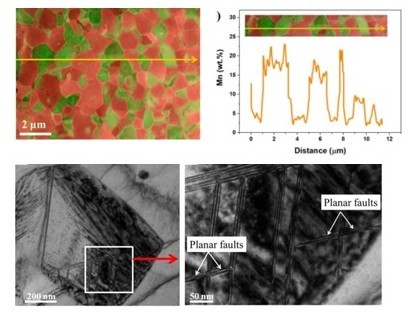
Mn distribution in austenite grains, when the average Mn is about 6 wt%. Intersection of planar faults, which are potential sites for martensite nucleation [1]
Nanoprecipitates at grain boundary present along the gammagamma prime interface. STEMEDS composition maps show the presence of Boron, and gradients in Cr and W [2]
Gauge section of deformed miniature tensile sample. Changes in colour show misorientation development. MD simulations of twinned crystal with green FCC coordinated atoms and red are HCP coordinated atoms. Dislocation accumulation at twin boundaries [3]
Prita Pant
pritapant[at]iitb[dot]ac[dot]in
(+91) (022) 2576 7616
Professor

Sanjay Chandra
sanjaychandra[at]iitb[dot]ac[dot]in
-
Professor of Practice

Viswanathan N Nurni
vichu[at]iitb[dot]ac[dot]in
(+91) (022) 2576 7611
Sajjan Jindal Steel Chair Professor
Professor
Gururajan Mogadalai P
Email: guru[dot]mp[at]iitb[dot]ac[dot]in
Phone: (+91) (022) 2576 7631
Education:
Professor Gururajan's teaching interests include physical metallurgy, diffusion and kinetics, modelling and analysis, simulation and optimization, AI and data science, and computational laboratory. He has also introduced and taught courses on modelling of microstructure evolution and mathematical methods at the postgraduate level. He has taught a few NPTEL / Swayamprabha courses and cotaught three GIAN courses all of which are available in YouTube.
Professor Gururajan's research interests include modelling of microstructural evolution. He has close collaborations with experimentalists and enjoys working with them. The work carried out in his group includes phase field and atomistic modelling for phase transformation and deformation induced microstructural evolution. His research group is involved in developing and implementing new formulations of phase field models, and, more importantly, in developing open source code suites for phase field modelling. His research group consists of several undergraduates (from all over the country), masters students, phd students and postdocs who use cellular automaton, molecular dynamics, Monte Carlo and phase field models. The research carried out in the group is funded by projects from the Government of India as well as industries (Indian as well as International).
Phase field modelling, mechanics and thermodynamics of materials, atomistic simulations, modelling of microstrcutural evolution (physics based)
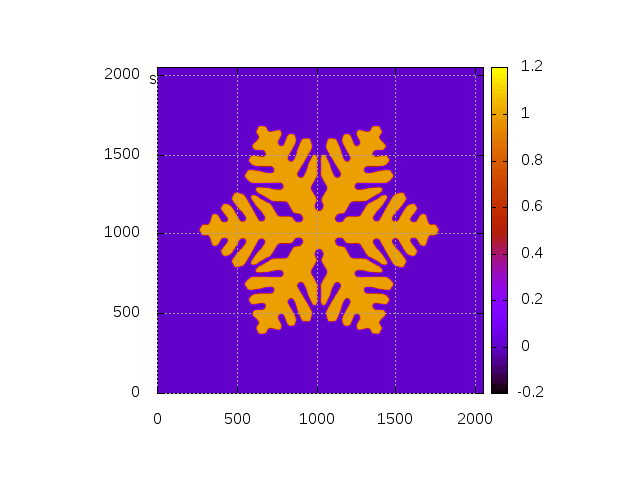
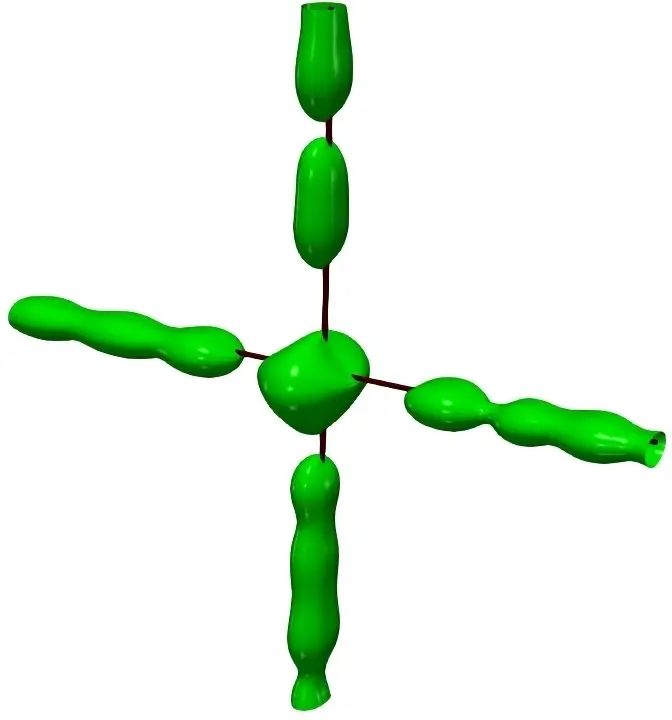
Implementation of a phase field model (using cuFFT) which incorporates hexagonal aniostropy in interfacial energy using sixth order tensor terms in the extended Cahn Hilliard model (the formulation of which also was developed in the group).
Phase field dislocation dynamics simulation results showing concurrent spinodal and nucleation and growth due to the presence of dislocations in a phase separating system. We have shown the crucial role of pipe diffusion in selecting the phase transformation mechanism.
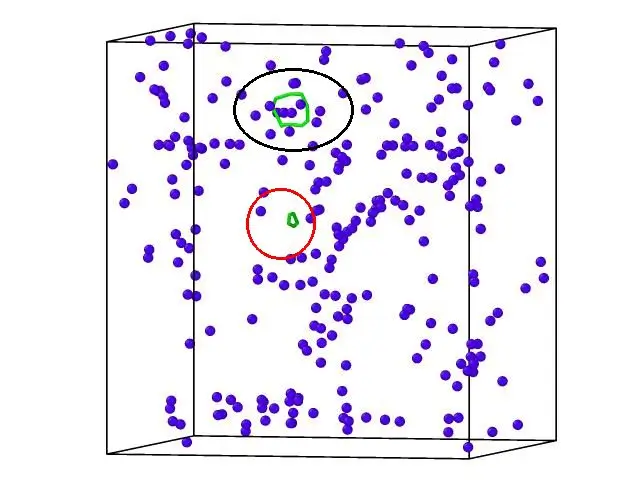
Homogeneous and heterogeneous nucleation in CuAl alloys using MD simulations carried out using LAMMPS. We have shown the solid solution softening in these alloys as a result of reduction in stacking fault energy with alloying addition.
Assistant Professor
Durga A
Email: a[dot]durga[at]iitb[dot]ac[dot]in
Phone: (+91) (022) 2576 5606
Education:
Prof. Durga uses a variety of teaching methods including in-class short questions, group activities and project based assessment. There is a strong emphasis on process-structure-property correlations and modelling approaches in all her courses. She has taught the following courses:
Undergraduate Courses: Casting and Joining, Thermodynamics of Materials
Postgraduate Course: Additive Manufacturing with Metals
Prof. Durga's key research interest lies in modelling microstructure evolution when an alloy is subjected to different processes, be it casting, additive manufacturing (AM), or heat treatment. She has worked extensively on different approaches such as phasefield modelling, cellular automata and other numerical and analytical models. Through coupling such models with multicomponent Calphad thermodynamic and mobility databases, she has ensured that the models can be applied to technical alloys. In her research career thus far, she has worked on different projects collaborating with both industry and academia. Her research group is currently working on microstructure modelling during fusionbased metal AM [1,2] and solidstate phase transformations during AM. She is the PI of a project funded by the Science and Engineering Research Board on modelling microsegregation during metal AM and a co PI on a project within the JSW Technology Hub for Steel Manufacturing on alloy design.
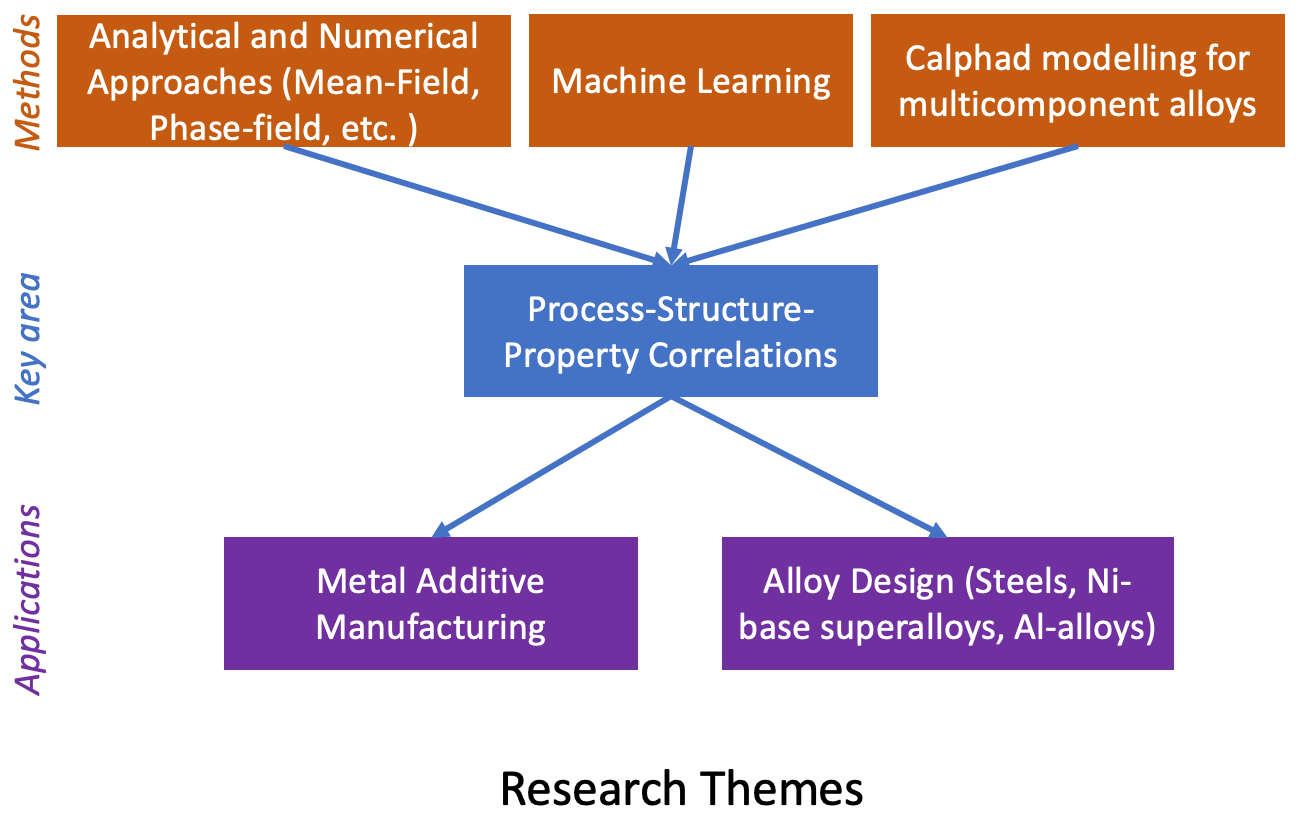
The key research themes of Prof. A. Durga's group
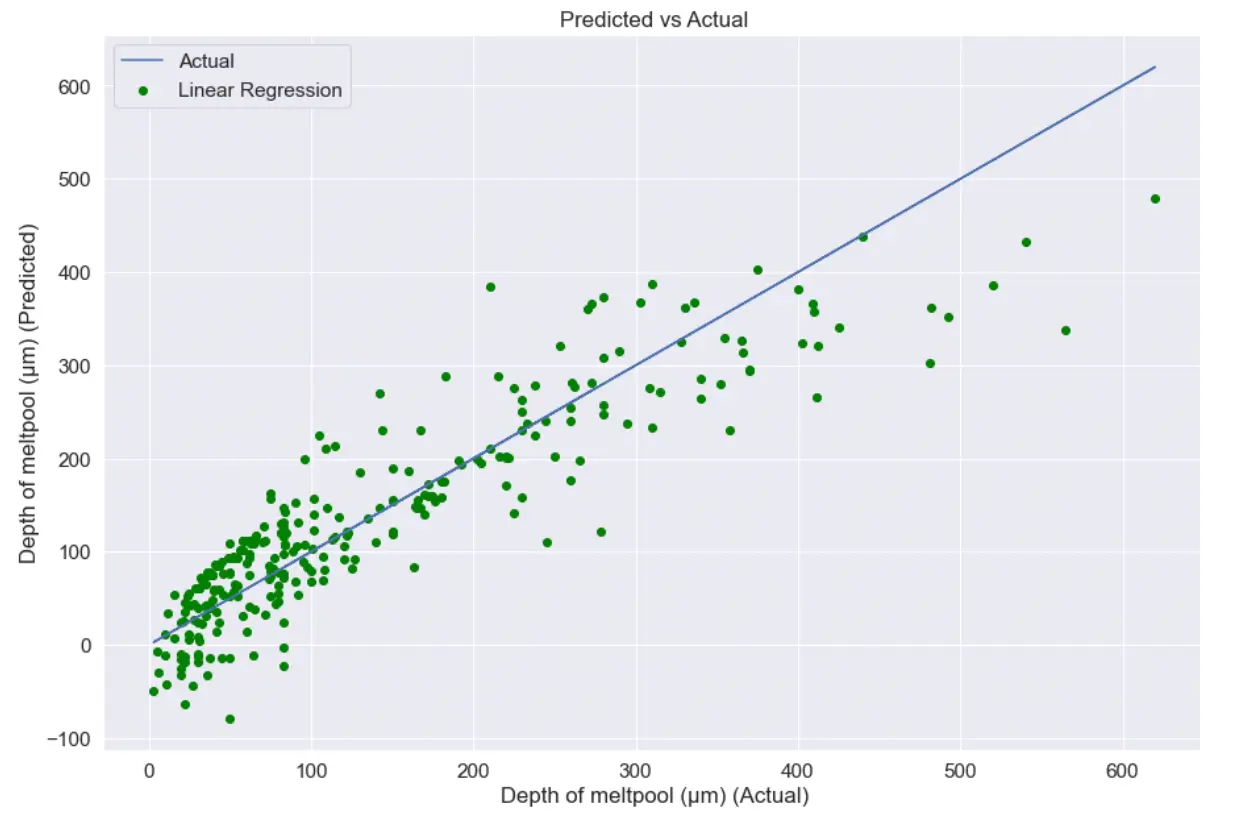
Comparison between the actual melt pool depths and those predicted using a linear regression model of additively manufactured Ti6Al4V alloy [1]
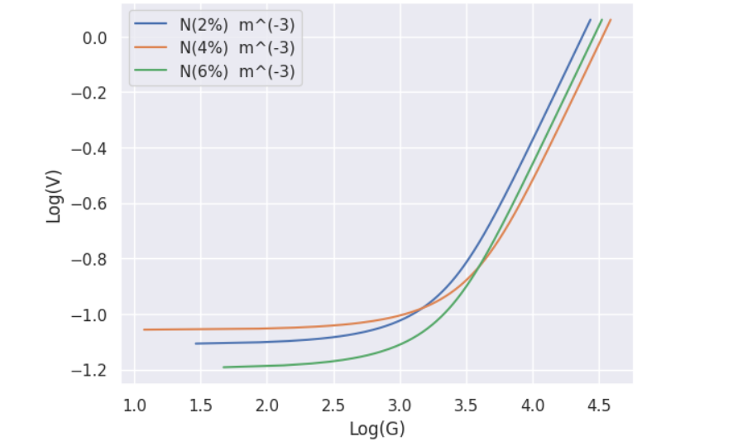
Temperature gradient G versus solidification growth front velocity V representing Columnar- toEquiaxed Transition in grain structure [2]
Associate Professor
Anirban Patra
Email: anirbanpatra[at]iitb[dot]ac[dot]in
Phone: (+91) (022) 2576 7622
Education:
Prof. Patra emphasizes on introducing mathematical and computational aspects into materials science concepts in his teaching. He has taught an undergraduate course on the mechanical behavior of materials, as well as advanced courses on continuum plasticity of metals, and numerical solutions of partial differential equations for continuum transport modeling.
Prof. Patra's research interests are in the prediction of microstructuremechanical property correlations using physicallybased crystal plasticity constitutive equations. These tools have been used for simulating deformation in nuclear, aerospace and automotive alloys. A key emphasis of his research is also on the development of computational methods, including open source tools, for such applications.
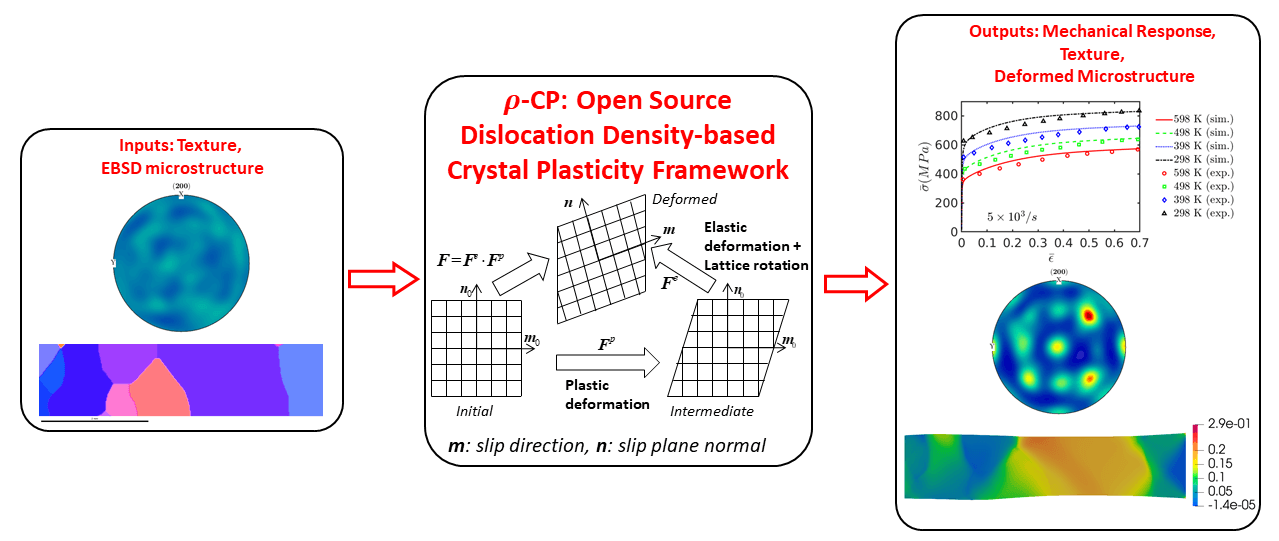
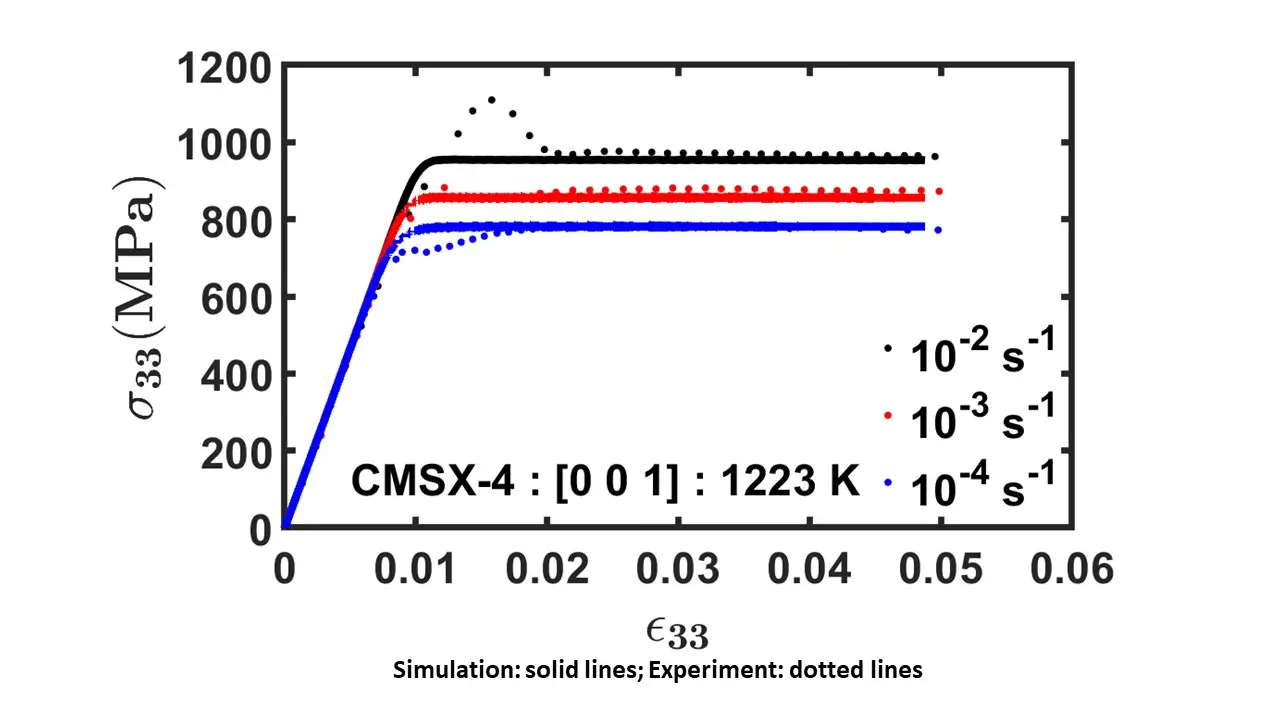
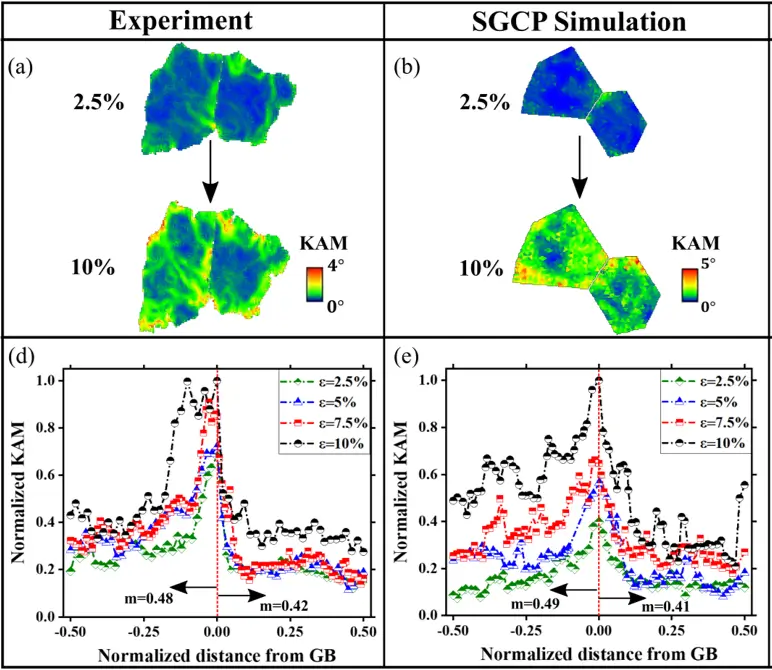
ρCP: Open source dislocation density based crystal plasticity solver [1].
Crystal plasticity prediction of mechanical properties of Nibase superalloy single crystals [2].
Prediction of misorientation development using strain gradient crystal plasticity modeling [3].
Associate Professor
Amrita Bhattacharya
Email: b_amrita[at]iitb[dot]ac[dot]in
Phone: (+91) (022) 2576 7620
Education:
Prof. Amrita Bhattacharya has interest in the various topics of materials science related to condensed matter physics. Over the last five years, she has taught the following courses in the department; Undergraduate courses: MM318, Electronic properties of materials Postgraduate courses: MM747, First principles approach to materials science
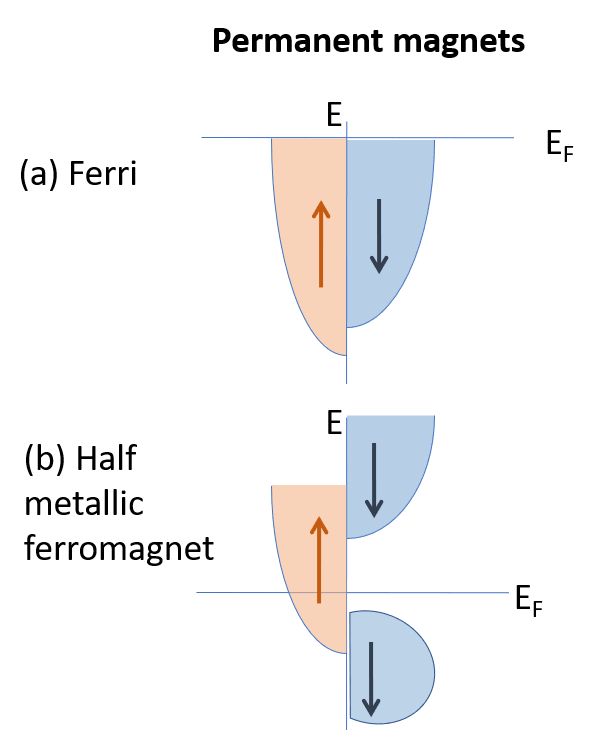
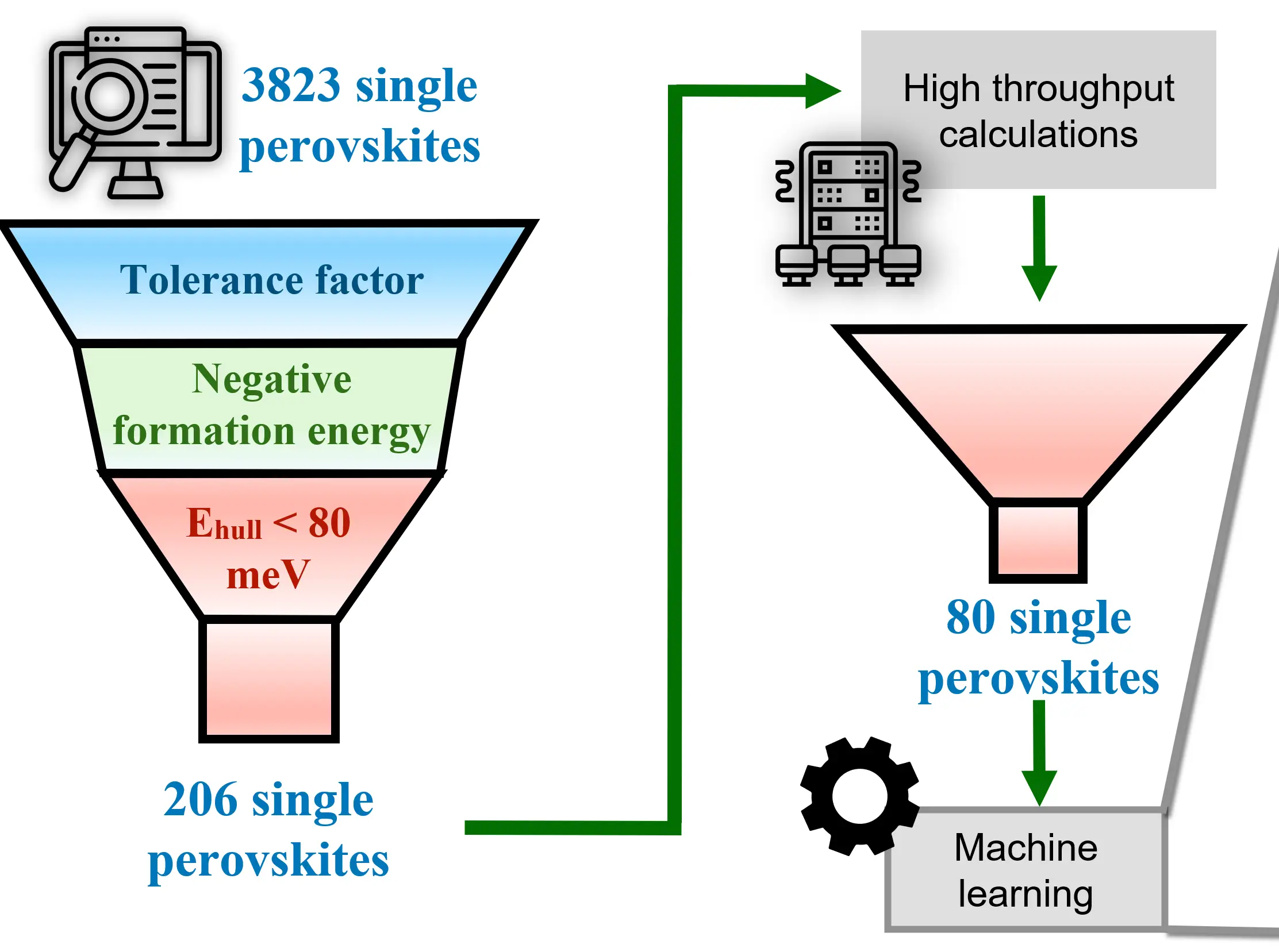
Prof. Amrita Bhattacharya leads the Ab initio Computational Materials Simulation laboratory in the MEMS department. Her works involve understanding and predicting the microscopic phenomena behind the electronic, magnetic, and transport properties of emerging materials using the stateoftheart quantum mechanical density functional theory based methods. In addition, she has also set up an experimental laboratory for the solidstate synthesis of alloys and for the analysis of their electronic transport properties. She also has an interest in data driven machine learning based methods.
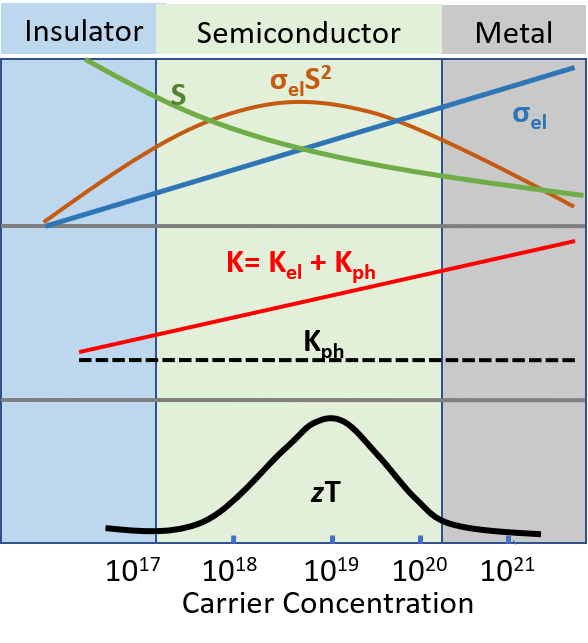
Unravelling the charge and heat transport in thermo- electric materials through theory and experiments ;
Exploring the physics of correlated magnetic oxides and other magnetic metallic phases.
High throughput calculations and machine learning the physical properties of materials
Gururajan Mogadalai P
guru[dot]mp[at]iitb[dot]ac[dot]in
(+91) (022) 2576 7631
Professor