Please wait...

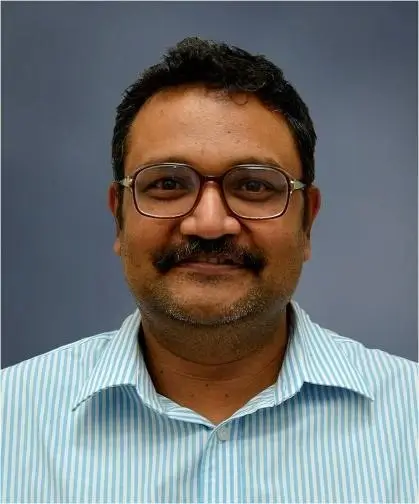
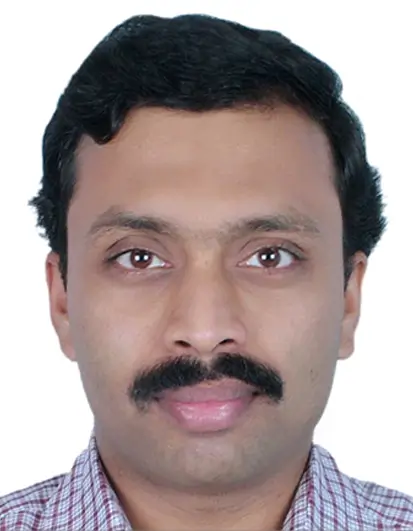
Faculty details Manish M Pande
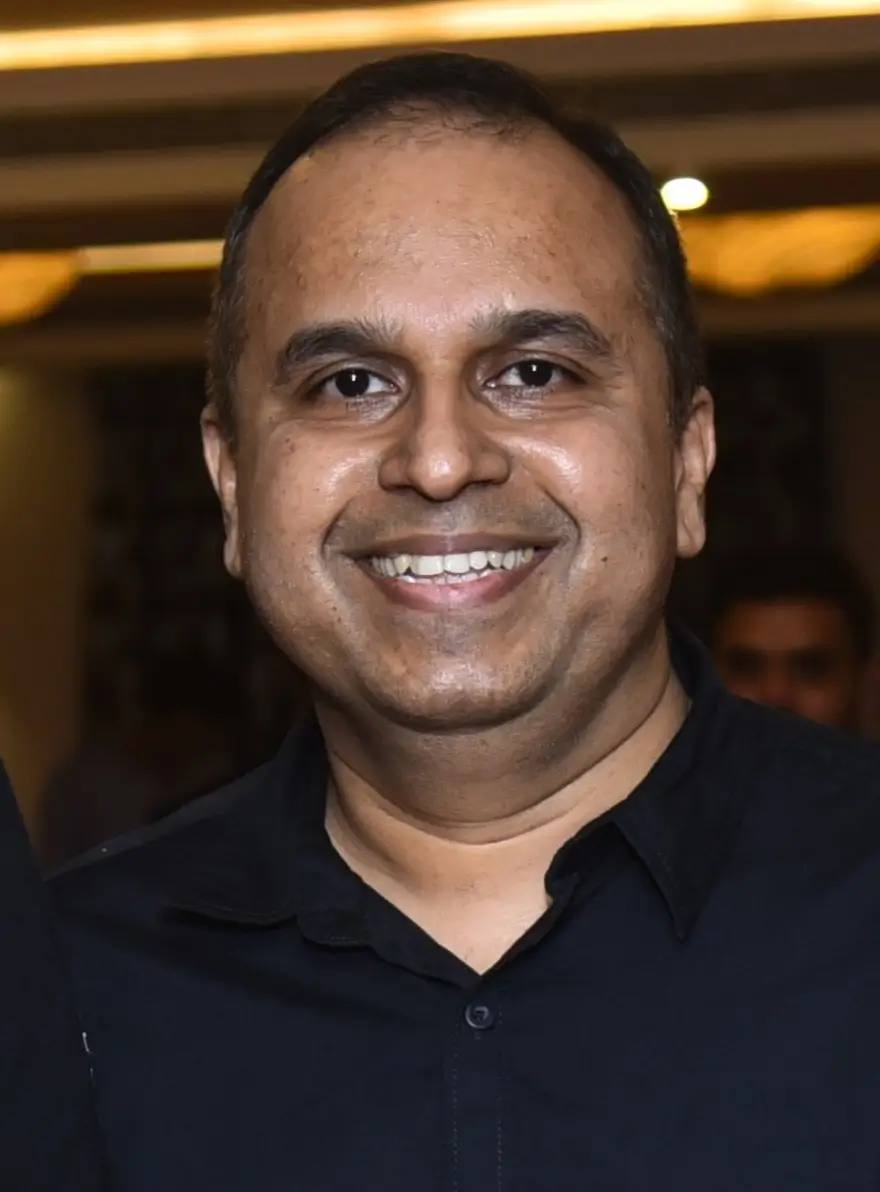
Associate Professor

Manish M Pande

Email: manish[dot]pande[at]iitb[dot]ac[dot]in

Phone: (+91) (022) 2576 7609

Education: 

  • PhD ­ Met. Engg. ­ KU Leuven, Belgium 
  • M Tech ­ Met. Engg. & Matls. Sci. ­ IIT Bombay 
  • BE ­ Met. Engg. ­ VRCE (now VNIT) Nagpur
Teaching

Prof. Pande has been teaching following undergraduate and post­ graduate courses/labs. 

Courses: Iron and steel making, Advanced concepts in steel making 

Labs: Joining and casting lab, Processing and characterization of steel

Research profile

Prof. Manish M Pande's research interests include secondary steelmaking, clean steel production (steels containing low non­metallic inclusions), thermodynamics of steel refining reactions and simulating high temperature equilibrium experiments at a laboratory scale. He has set­up a clean steel laboratory, at Metallurgical Engineering and Materials Science department (MEMS), IIT Bombay. Before joining MEMS, IIT Bombay, Prof. Pande has worked full­time in research and development departments of steel industries in India (Essar Steel Ltd.) and (Tata steel Europe/MPI) UK. His total industrial experience is nearly 7 years. During his doctoral (KU Leuven, Belgium) and post­ doctoral (MU Leoben, Austria) studies, he worked in collaboration with ArcelorMittal Gent and voestalpine, Linz respectively, on the steelmaking projects. At present, his research group has been working on the experimental and thermodynamic analysis of high alloy steels. Prof. Pande is also interested in developing new alloy steels and new materials such as metallic foams.

Research interest
  • Thermodynamics of steel refining reactions 
  • Clean steel production 
  • Process metallurgy 
  • Metallic foams

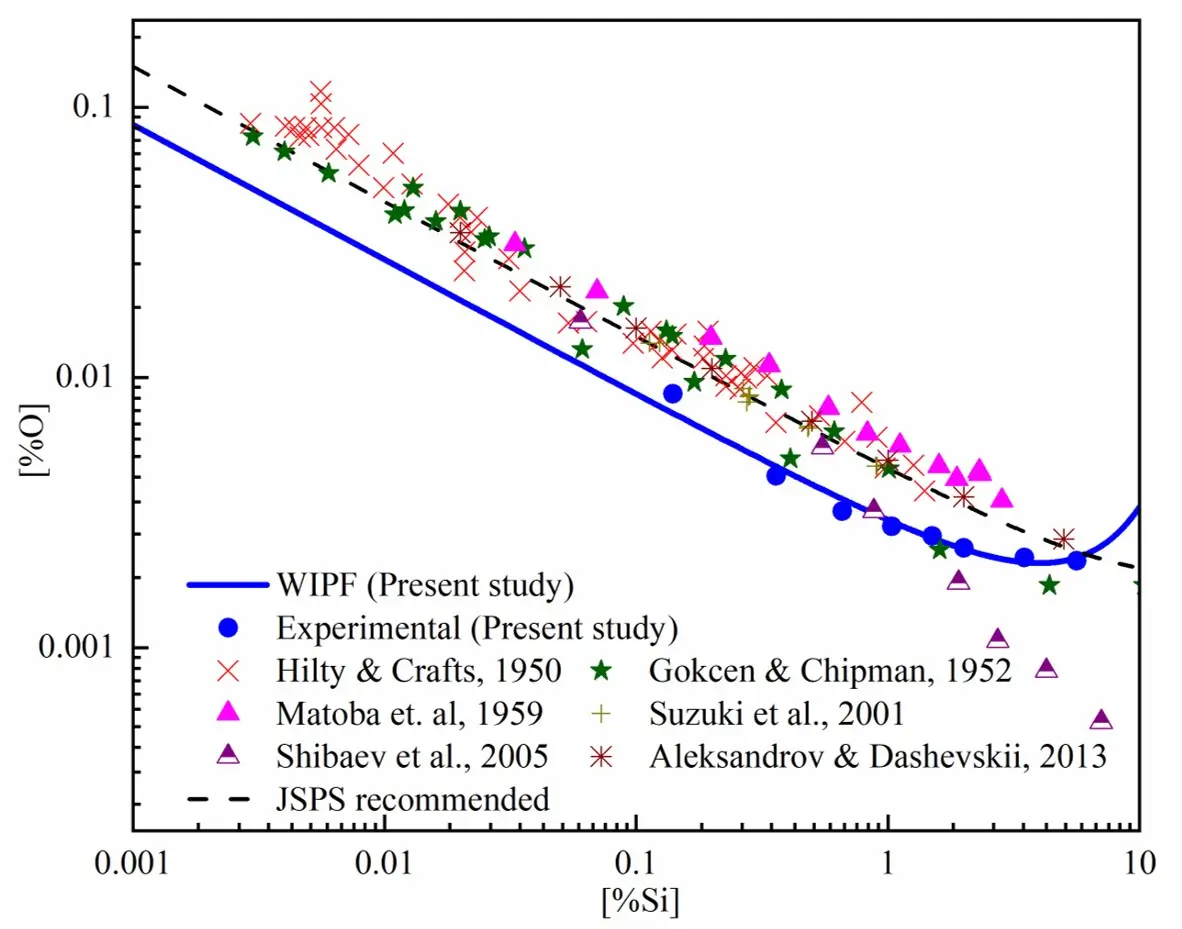
Si­O equilibria (experimental and calculated) in liquid iron/steel at 1873 K

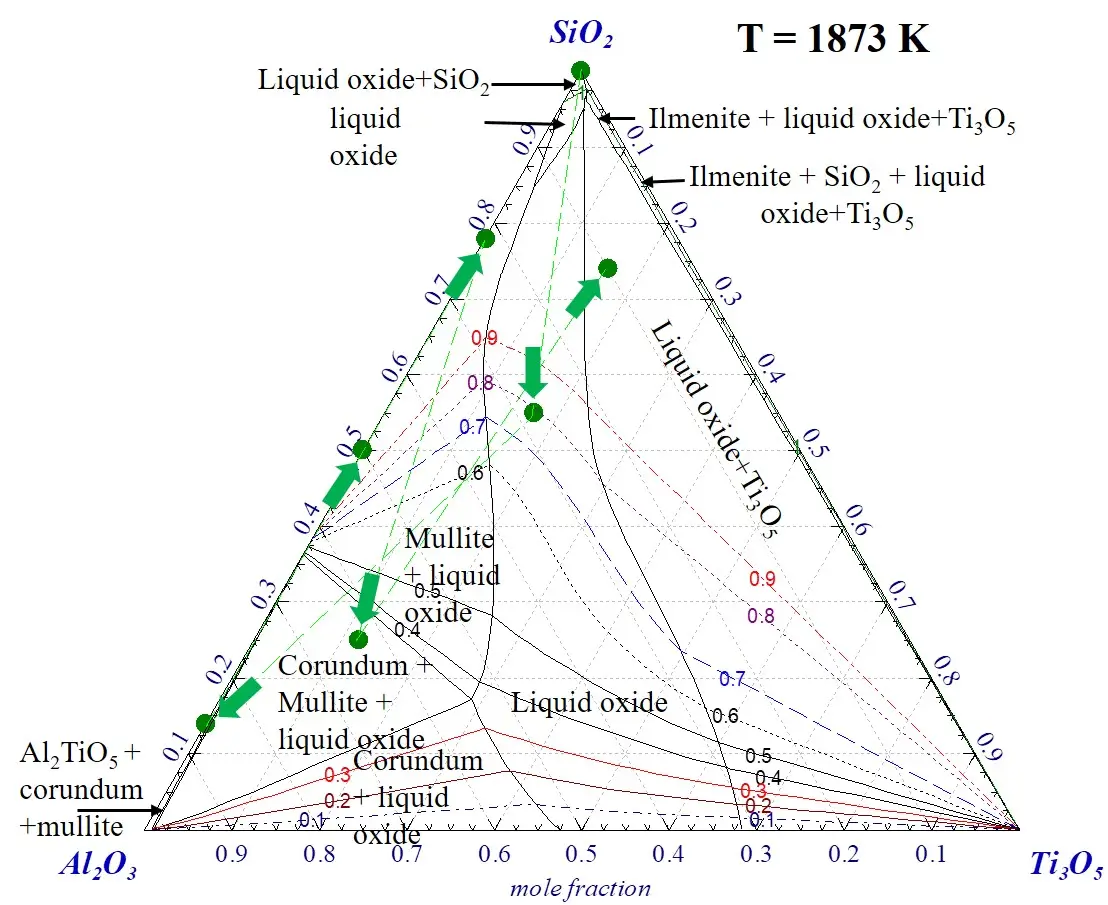
Compositional evolution of complex (Si­Al­Ti­O) inclusions with ferrosilicon addition

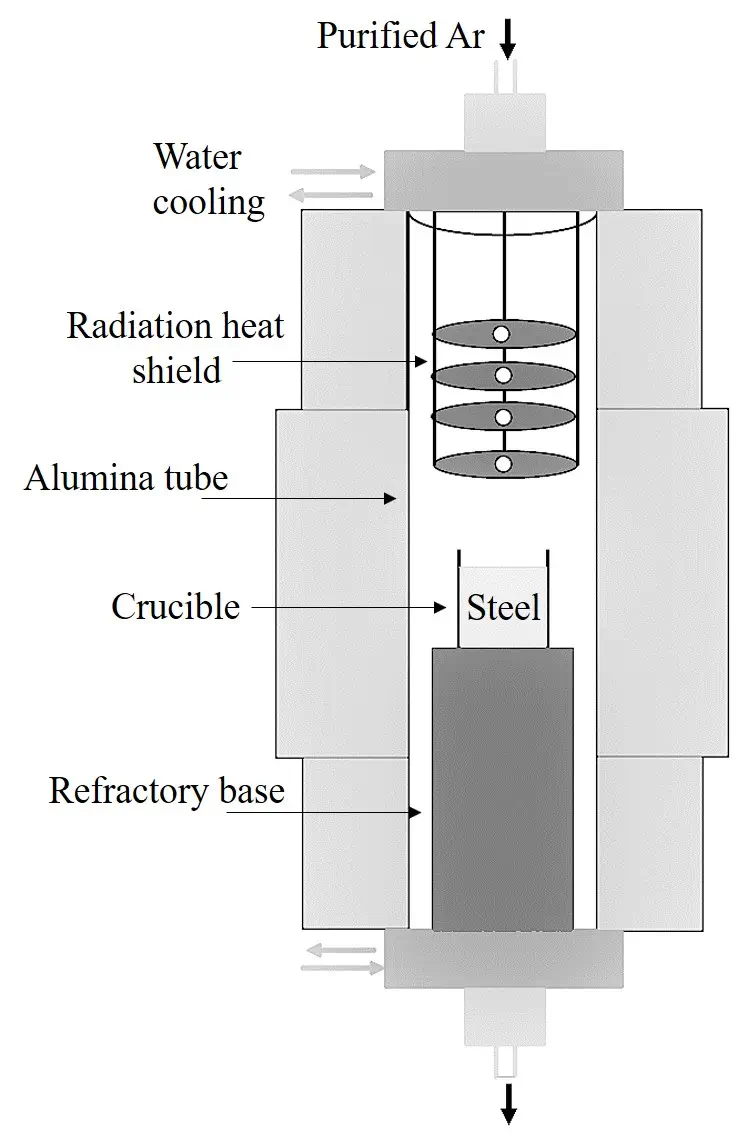
Vertical tube furnace for equilibrium experiments (Schematic)

References
  • Sanjay Pindar and Manish M Pande: Assessment of Si­O equilibria and non­metallic inclusion characteristics in high silicon steels, Steel Research International, 2023. https://doi.org/10.1002/srin.202300115 
  • Mir Ishfaq and Manish M Pande: Development of Higher Order Interaction Parameter Formalisms for a Ternary Solution in a Thermodynamically Consistent Manner, Steel Research International, 2023. https://doi.org/10.1002/srin.202200913 
  • Mir Ishfaq and Manish M Pande: Application and assessment of aluminium deoxidation equilibria in liquid steel using various formalisms based on some statistical thermodynamic models, Ironmaking and Steelmaking, 2022. https://doi.org/10.1080/03019233.2022.2082829
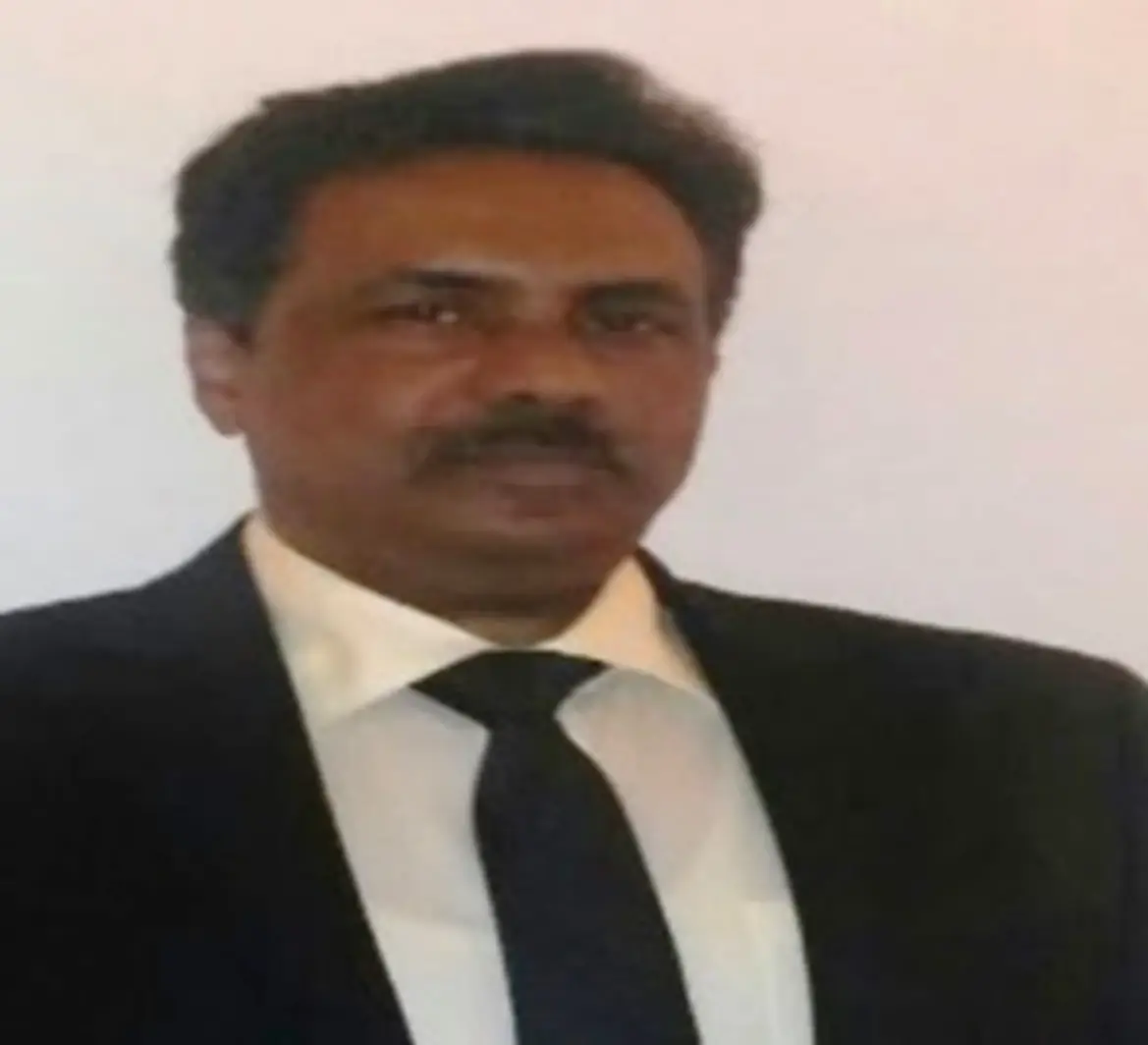
Facuty Details Jayasree Biswas

Assistant Professor

Jayasree Biswas

Email: biswasj[at]iitb[dot]ac[dot]in

Phone: (+91) (022) 2576 7623

Education: 

  • B.E. (Metallurgical and Materials Engineering) ­ Jadavpur University, 2013. 
  • M.Tech. (Metallurgical Engineering and Materials Science) – IIT Bombay, 2015. 
  • Ph.D. (Materials Science and Engineering) – McMaster University, 2021.
Teaching

In her teaching, she has started teaching Transport Phenomena course (PG course). She will also be teaching Advanced Concepts in Steel making Course (PG course).

Research profile

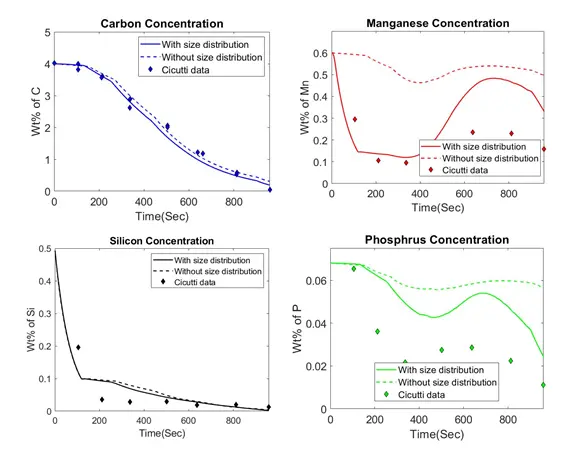
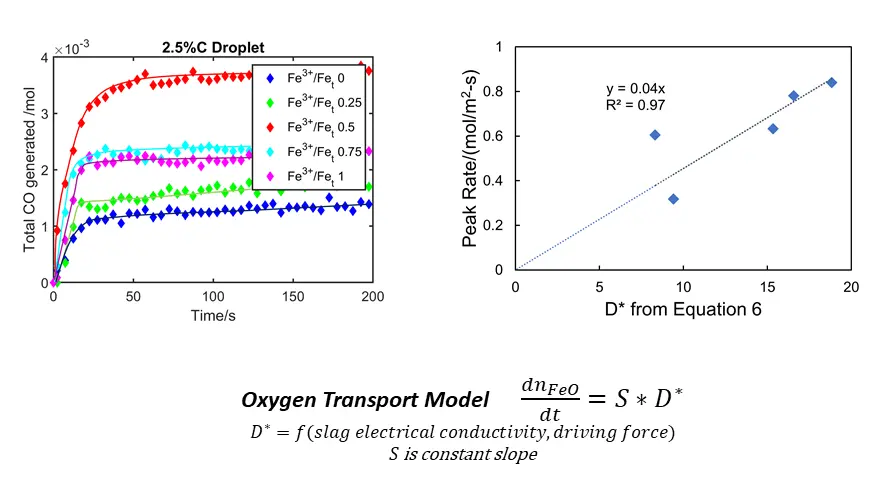
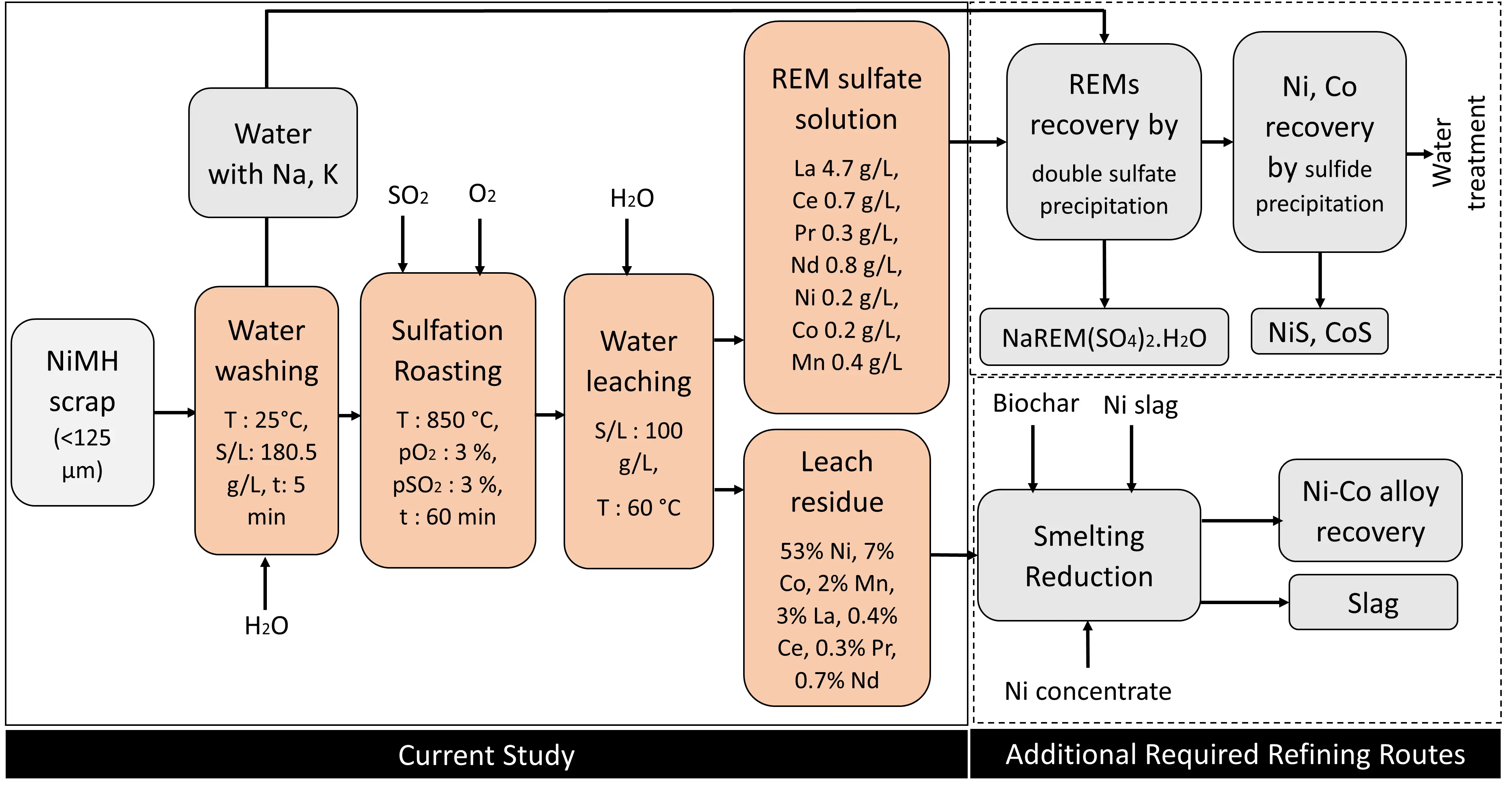
Prof. Jayasree Biswas’s research interests are mainly in the area of high­temperature kinetic studies for both ferrous and nonferrous systems (both experimental and mathematical modelling) and metal recycling. During her Masters, she worked on developing dynamic model for BOF steelmaking process, where she developed a dephosphorization model based on the thermodynamics and reaction kinetic principles[1]. The model was able to capture the P reversion phenomenon with blowing time in the steelmaking. During her Ph.D., she worked on decarburization kinetics of liquid Fe­C droplets in oxidizing slag, of various electrical conductivities. Her experimental work was mainly focused on capturing the compositions relevant to HISARNA process(Tata Steel Europe). She identified the enhancement of decarburization kinetics with increasing slag electrical conductivity, due to faster oxygen transport. She also developed a kinetic model to predict the oxygen transport kinetics[2]. Her studies also revealed the influence of competitive adsorption (O,S) on refining reaction kinetics at slag/metal interface. During her post­doctoral research, she explored the area of battery recycling and investigated the sulfation roasting­water leaching route for selective extraction of metals from various battery scraps and successfully extracted 99% Li from LIB (LCO) black mass and 65% REEs from NiMH scrap[3]. Apart from that, she also explored the molten oxide electrolyte route for ferrochrome production from chromite pellets and briefly worked on carburization of HDRI pellets. Currently, at IIT Bombay, she is continuing working in both the areas of metal refining and metal recycling.

Research interest
  • High temperature kinetic studies in ferrous and nonferrous systems 
  • Process Modeling • Metal recycling from secondary sources (such as spent PCB, batteries, solar cells) 
  • Green metal processing (Green steelmaking)

Evolution of metal bath composition as predicted from model [1]

Total CO gas generation with time for liquid Fe­C droplet reacting with various electrical conductivity slag (by varying ferric fraction) at 1505 _deg_C and prediction of oxygen transport from the kinetic model [2]

Proposed route for NiMH battery scrap recycling [3]

References
  1. Biswas et al. A Dynamic Mixed­Control Model for BOF Metal–Slag–Gas Reactions, MMTB 2021 
  2. Biswas & Coley, Decarburization of Iron Carbon Droplets with Oxidizing Slag : An Experimental Study to Understand the Effect of Ionic and Electronic Conductivity on Decarburization Kinetics, MMTB 2022 
  3. Biswas et al, Extraction of Rare Earth Metals from NiMH Battery Scrap via Selective Sulfation Roasting. J Sustain Metall., 2024

Faculty Details Deepoo Kumar

Assistant Professor

Depoo Kumar

Email: deepook[at]iitb[dot]ac[dot]in

Phone: (+91) (022) 2576 7647

Education: 

  • PhD ­ Matls. Sci. & Engg., Carnegie Mellon University, 2018 
  • MS ­ Matls. Sci. & Engg., Carnegie Mellon University, 2016 
  • BTech & MTech ­ Met.l Engg. & Matls. Sci., IIT Bombay, 2013
Teaching

Prof. Deepoo Kumar likes to reinforce theoretical understanding by including interesting conceptual problems and computational examples in his teaching. In­class problem solving is considered integral to the learning process. Some of the courses taught are as follows: UG level: Transport Phenomena and Kinetics, Heat Treatment Laboratory PG level: Advanced Concepts in Steelmaking, Kinetics of High Temperature Processes.

Research profile

Prof. Deepoo Kumar’s research interests are in the experimental and computational studies related to extraction and processing of metals. His experimental work includes reduction of hematite pellets using hydrogen, steel refining, steel­slag and slag­refractory interactions, inclusion characterization, processing of electronic waste 4 and quenching of steel. Laboratory and characterization facilities include atmosphere­controlled induction furnace, high temperature confocal laser scanning microscope 2 and SEM­based automated inclusion analysis. He has developed kinetic models for ladle refining 1 , RHdegassing and BOF process using FactSage macro. These models can predict changes in steel and slag composition during steel production. In addition, ladle refining and RH­degassing models can calculate changes in inclusion composition and amount with time as well. He works in close collaboration with major steel producers of the country on experimental, modeling and characterization related problems. Some examples are as follows: heat transfer model for a bell annealing furnace for Theis Precision Steel 3 , static models for BOF and EAF to perform sustainability studies for Tata Steel. He is currently working with JSW on developing ASPEN+ model for iron and steelmaking plant to find a balance between cost and CO2 emission. He has conducted workshops on FactSage and clean steel production.

Research interest
  • High temperature metal processing 
  • Thermodynamics and kinetics 
  • Sustainability

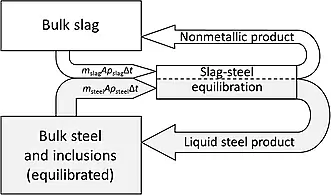
Modeling strategy for mass transfer controlled reactions e.g. steel­slag reaction

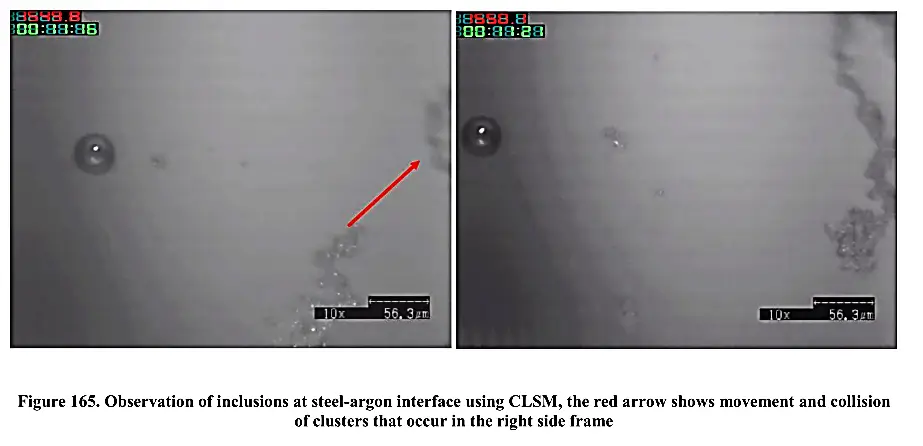
High temperature confocal laser scanning images showing in­situ agglomeration of solid inclusions (red arrow) floating on liquid steel surface at 1600 oC.

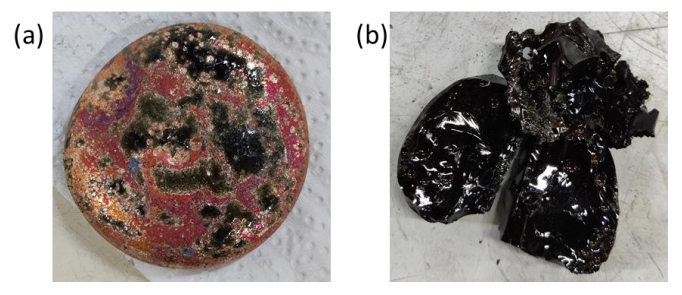
Cu­Ag­Sn alloy (a) recovered from electronic waste using high FeO slag (b); experiment performed under argon atmosphere using induction furnace

References
  1. D. Kumar: Development of a reliable kinetic model for ladle refining, PhD thesis (2018), Carnegie Mellon University 
  2. S.P.T. Piva, D. Kumar, P. C. Pistorius, Modeling manganese silicate inclusion composition changes during ladle treatment using FactSage macros, Metall. Mater. Trans. B Process Metall. Mater. Process. Sci. 48B(2017) 37–45 
  3. Kumar, D., Viswanathan, N.N., Sarkar, P.S. (2022). Heat Transfer Model of Coil in a Bell Annealing Furnace. In: Dave, H.K., Dixit, U.S., Nedelcu, D. (eds) Recent Advances in Manufacturing Processes and Systems. Lecture Notes in Mechanical Engineering. Springer, Singapore 
  4. B. Durgapraveen: Slag Design for Selective Metal Recovery from Electroni Waste, MTech thesis (2023), IIT Bombay

Faculty Details Arup R. Bhattacharyya

Professor

Arup R. Bhattacharyya

Email: arupranjan[at]iitb[dot]ac[dot]in

Phone: (+91) (022) 2576 7634

Education: 

  • PhD: Polymer Blends, IIT Delhi, 2000 
  • M.Sc: Org. Chem., Bhopal University, 1994
Teaching

Some of the courses taught are: 

  1. Engineering Polymers and Composites of the Materials 
  2. Polymer Blends and Composites 
  3. Advanced Composites
Research profile

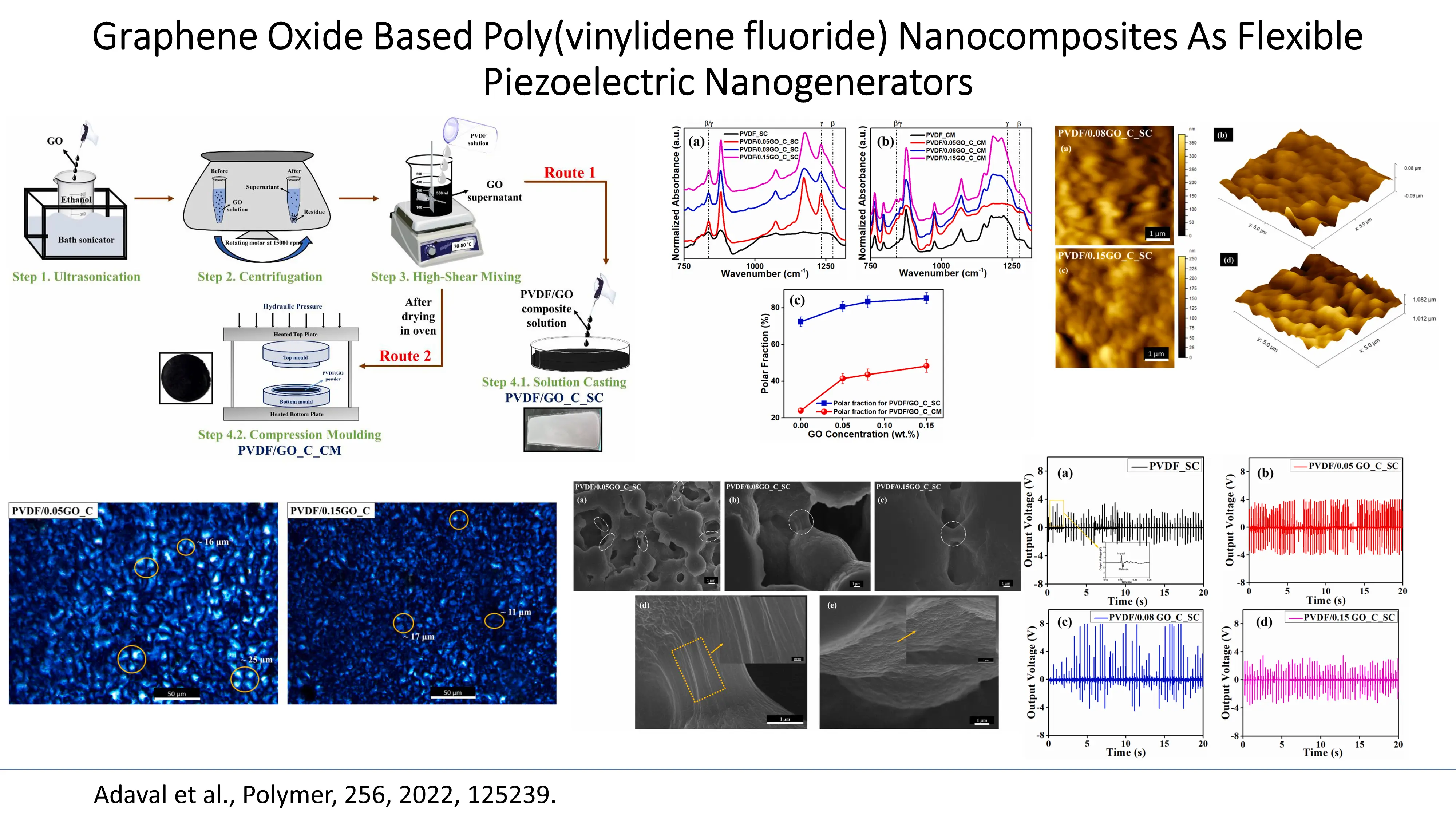
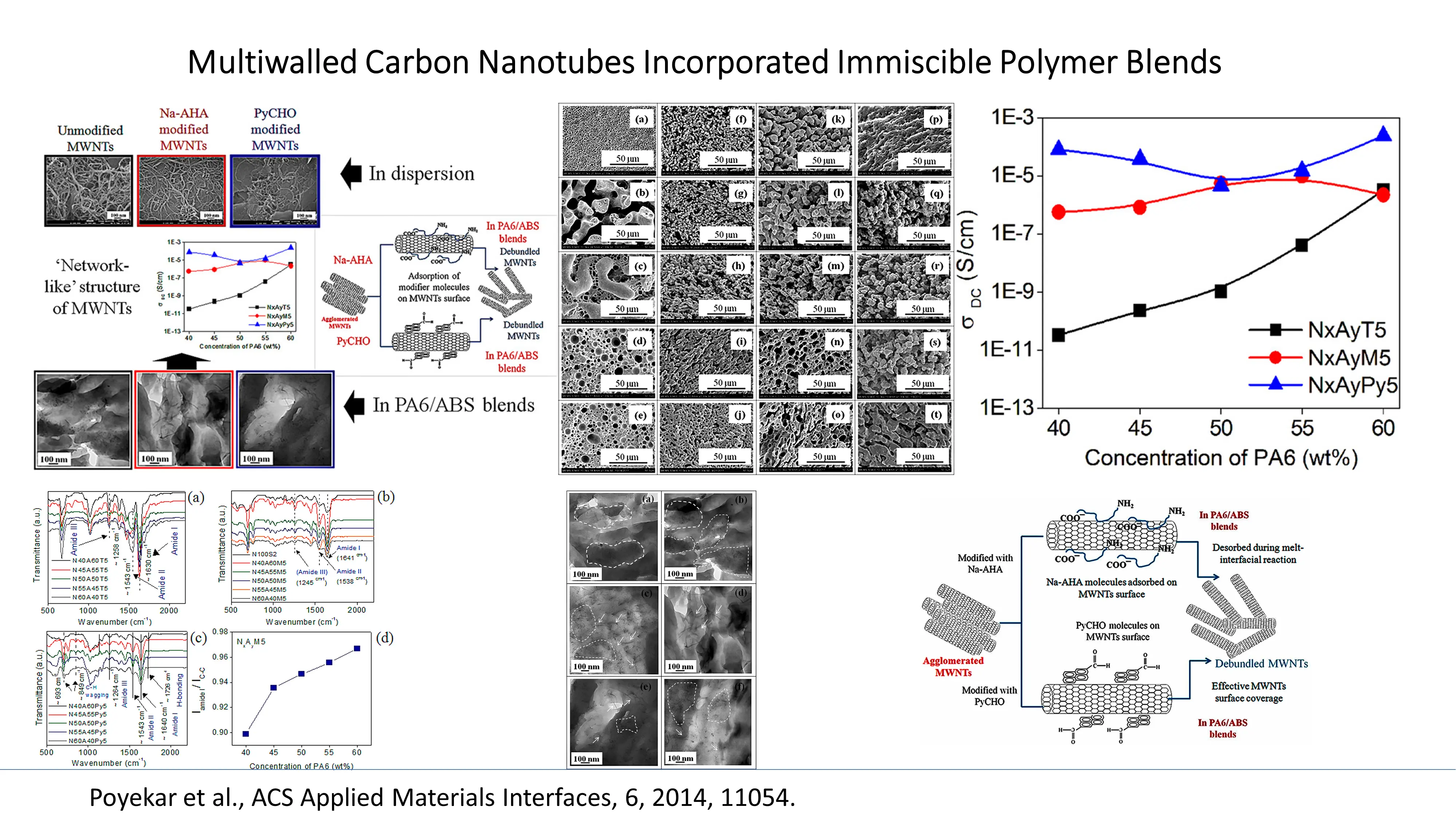
Prof. Bhattacharyya’s research interests are in the area of ‘ProcessingStructure­Property’ relationship studies in carbon nanotubes (CNTs) and graphene based polymer nanocomposites, wherein he has addressed the challenge of nanomaterial dispersion in polymer matrix. In this context, he has developed a novel organic dispersant to disperse agglomerate free nanomaterials in various polymer matrices, which could establish an adequate interfacial interaction between the polymer matrix and the nanomaterials. The method was extremely innovative and was adopted to commercially viable polymer processing technique viz. melt­mixing to prepare electrically conducting polymer nanocomposites of very high strength, modulus and thermal stability. Currently, he is working extensively on graphene, CNTs, h­BN, MoS2 based PVDF nanocomposites for piezoelectric applications. Prof. Bhattacharyya has collaborated with DMSRDE, Kanpur (DRDO laboratory) to develop melt­spun CNTs based polypropylene nanocomposite fibers. Further, he has also collaborated with Reliance Industries Ltd., Mumbai to develop electrically conducting

Research interest
  • Polymer Blends • Polymer Nanocomposites 
  • Piezoelectric and Triboelectric Polymer Nanocomposites
References

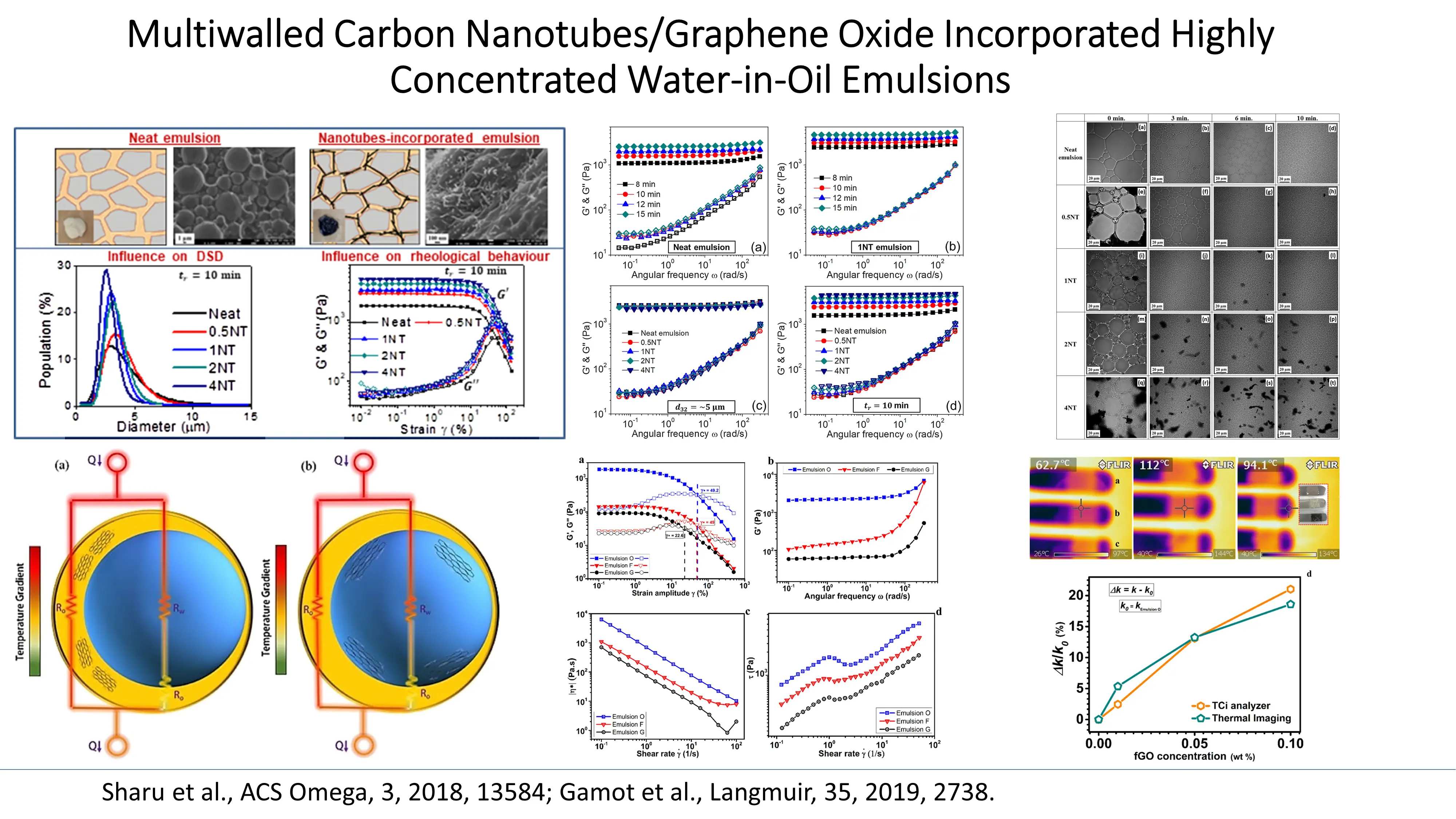
nanocomposites for electronic packaging applications. Moreover, he has collaborated with Gharda Chemicals, Mumbai to develop MWCNTs incorporated poly (aryl ether ketone) nanocomposites and their blends with ABPBI to achieve electrically conducting nanocomposites, which showed extremely high heat distortion temperature. He has also collaborated with Orica Pvt. Ltd., Australia to develop MWCNTs and graphene oxide based high internal phase emulsion of high thermal conductivity at ultra­low volume fraction of the nanomaterials.

Subscribe to Process Metallurgy & Steel