Please wait...

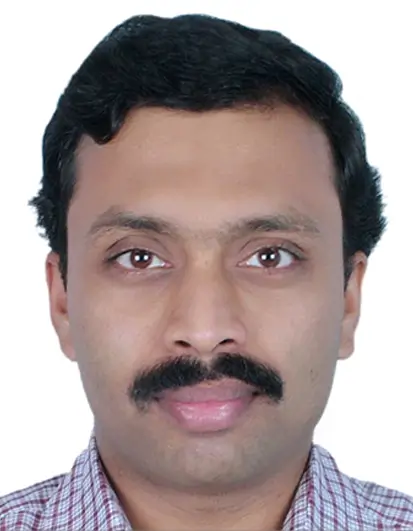
Faculty details Parag Bhargava
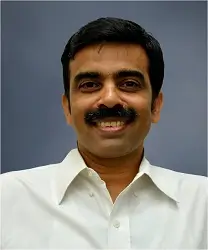
Class of 1985 Chair Professor for Technology & Sustainable Development

Parag Bhargava

Email: pbhargava[at]iitb[dot]ac[dot]in

Phone: (+91) (022) 2576 7628

Education: 

  • Ph.D., Mats. Sci., University of Alabama (1996) 
  • M.S., Matls. Engg., University of Alabama (1994) 
  • B.Tech., Met. Engg. IIT Bombay (1991)
Teaching

In the departmental introductory course (Materials & Technology) he always begins with discussion on engineering, its role in shaping the society and economy, the role of innovation etc. In his teaching, besides the formal curriculum he has always included projects which require some hands­on thinking. Some of the projects assigned include disassembly of gadgets, machines, instruments where the students are required to study the function of each part, the materials that the parts are made of and the methods by which these parts are manufactured and whether they are produced in India. Other projects were based on fabrication, materials recycling and identification of a new need/ unsolved problem / improvement needed by interviewing at least 15 – 20 stakeholders.

Courses taught: Experimental Techniques in Materials Science; Ceramic Processing Techniques; Colloid and Interfacial Science; Materials and Technology / It’s a Materials World

Research profile

Most of Prof. Bhargava’s work is centred around particulate materials. His group, while working on basic research, has always maintained a keen interest in application oriented or product development research. He and his group has also been undertaking research on scaling up of previously developed processes in the lab. He is a co­founder of several companies in the domain of particulate processing / ceramics (ANTS Ceramics, Digident LLP, Metwiz Materials). Some of the technology development work undertaken includes ­ Electrophoretic deposition of diamond particles on phosphor bronze wheels for jewellery diamond sawing applications, Conductive silver paste for flexible membranes for use in keyboards, Ceramic carbon resistors for electrical power applications, A process and machine for spinning ceramic (alumina) fibres, A process for making kg level quantity of nanozirconia, Ceramic foams for high temperature thermal insulation and machine for continuous production of ceramic foams.

Research interest
  • Powder Processing 
  • Shape Forming of Ceramics 
  • Rheology of inks, Pastes 
  • Synthesis of weakly agglomerated nanoparticles 
  • Dental Materials 
  • Glasses and glass ceramics 
  • Silver inks, Pastes for Sensors / Flexible Electronics / Solar PV 
  • Scaling­up and Product development

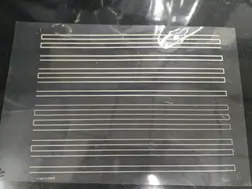
Screen printed silver paste for flexible electronics

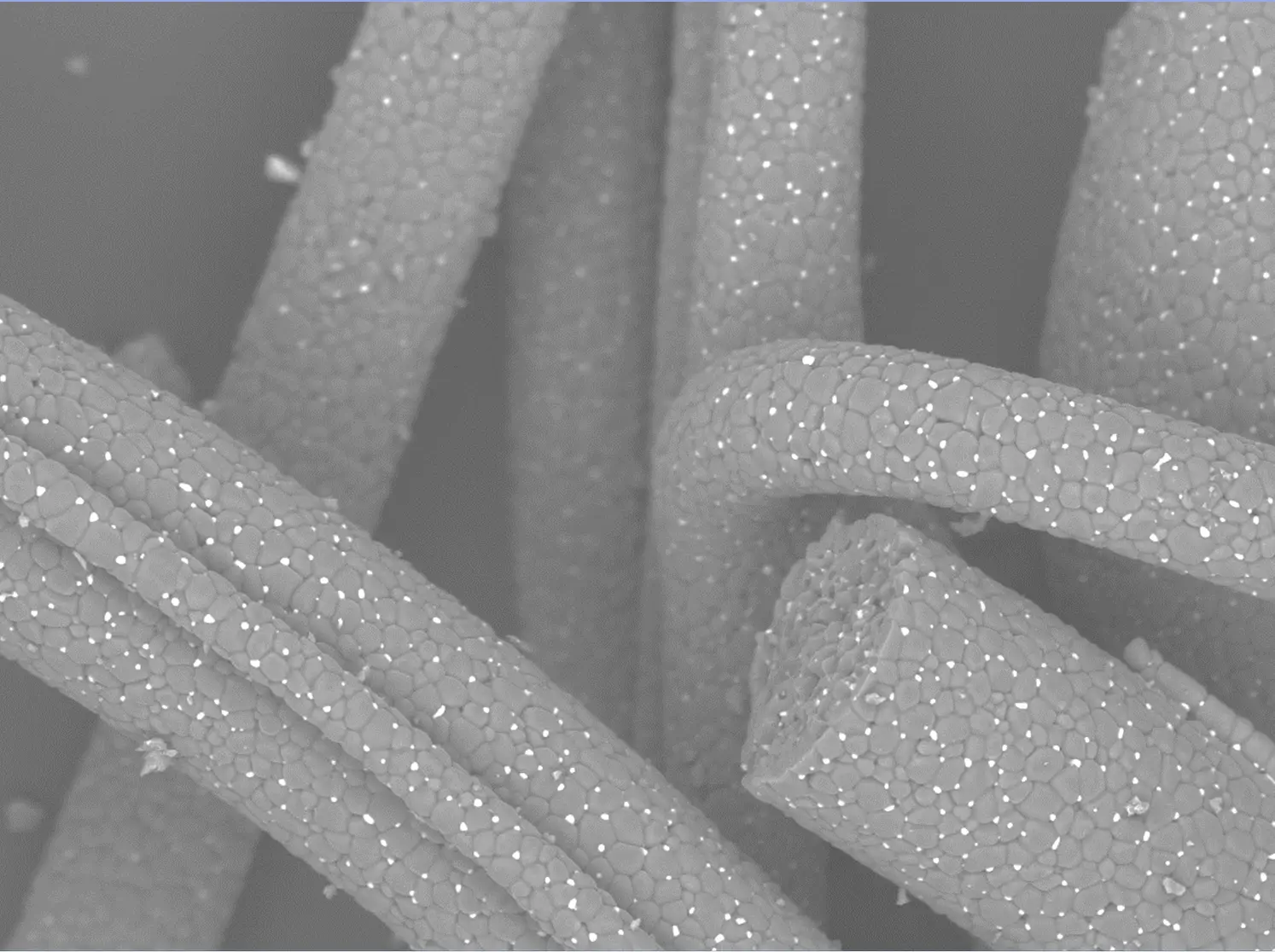
Centrifugally spun ceramic fibres for high temperature applications

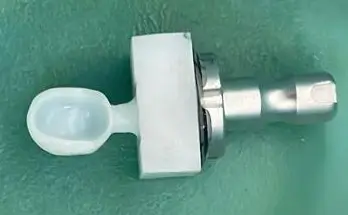
Machinable glass ceramic for dental applications
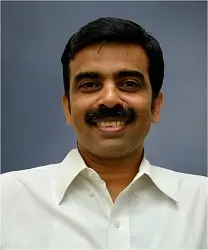
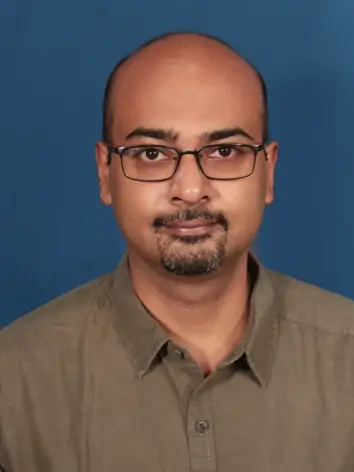
Faculty Details Deepoo Kumar

Assistant Professor

Depoo Kumar

Email: deepook[at]iitb[dot]ac[dot]in

Phone: (+91) (022) 2576 7647

Education: 

  • PhD ­ Matls. Sci. & Engg., Carnegie Mellon University, 2018 
  • MS ­ Matls. Sci. & Engg., Carnegie Mellon University, 2016 
  • BTech & MTech ­ Met.l Engg. & Matls. Sci., IIT Bombay, 2013
Teaching

Prof. Deepoo Kumar likes to reinforce theoretical understanding by including interesting conceptual problems and computational examples in his teaching. In­class problem solving is considered integral to the learning process. Some of the courses taught are as follows: UG level: Transport Phenomena and Kinetics, Heat Treatment Laboratory PG level: Advanced Concepts in Steelmaking, Kinetics of High Temperature Processes.

Research profile

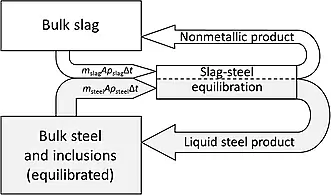
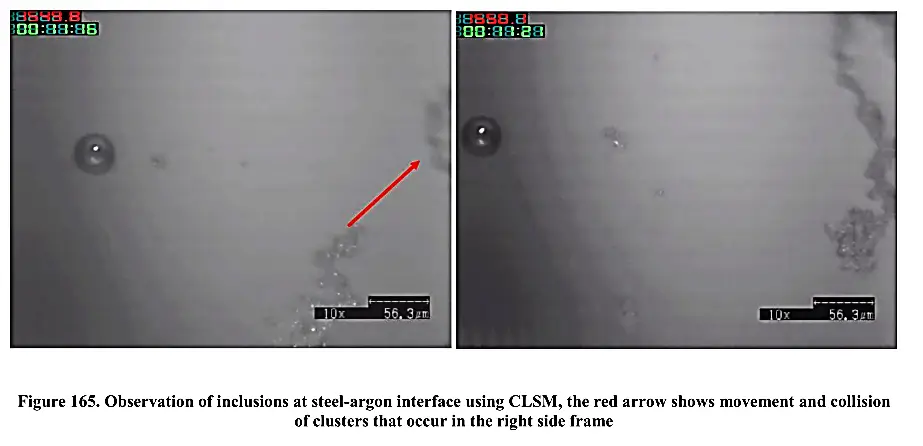
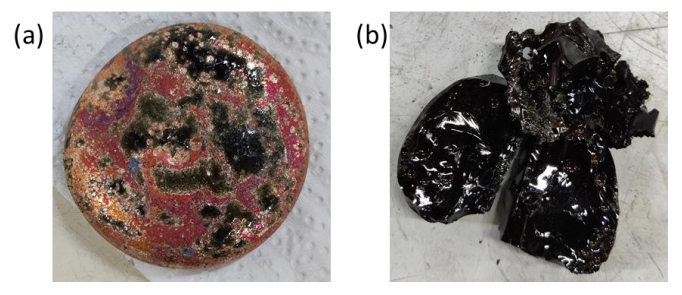
Prof. Deepoo Kumar’s research interests are in the experimental and computational studies related to extraction and processing of metals. His experimental work includes reduction of hematite pellets using hydrogen, steel refining, steel­slag and slag­refractory interactions, inclusion characterization, processing of electronic waste 4 and quenching of steel. Laboratory and characterization facilities include atmosphere­controlled induction furnace, high temperature confocal laser scanning microscope 2 and SEM­based automated inclusion analysis. He has developed kinetic models for ladle refining 1 , RHdegassing and BOF process using FactSage macro. These models can predict changes in steel and slag composition during steel production. In addition, ladle refining and RH­degassing models can calculate changes in inclusion composition and amount with time as well. He works in close collaboration with major steel producers of the country on experimental, modeling and characterization related problems. Some examples are as follows: heat transfer model for a bell annealing furnace for Theis Precision Steel 3 , static models for BOF and EAF to perform sustainability studies for Tata Steel. He is currently working with JSW on developing ASPEN+ model for iron and steelmaking plant to find a balance between cost and CO2 emission. He has conducted workshops on FactSage and clean steel production.

Research interest
  • High temperature metal processing 
  • Thermodynamics and kinetics 
  • Sustainability

Modeling strategy for mass transfer controlled reactions e.g. steel­slag reaction

High temperature confocal laser scanning images showing in­situ agglomeration of solid inclusions (red arrow) floating on liquid steel surface at 1600 oC.

Cu­Ag­Sn alloy (a) recovered from electronic waste using high FeO slag (b); experiment performed under argon atmosphere using induction furnace

References
  1. D. Kumar: Development of a reliable kinetic model for ladle refining, PhD thesis (2018), Carnegie Mellon University 
  2. S.P.T. Piva, D. Kumar, P. C. Pistorius, Modeling manganese silicate inclusion composition changes during ladle treatment using FactSage macros, Metall. Mater. Trans. B Process Metall. Mater. Process. Sci. 48B(2017) 37–45 
  3. Kumar, D., Viswanathan, N.N., Sarkar, P.S. (2022). Heat Transfer Model of Coil in a Bell Annealing Furnace. In: Dave, H.K., Dixit, U.S., Nedelcu, D. (eds) Recent Advances in Manufacturing Processes and Systems. Lecture Notes in Mechanical Engineering. Springer, Singapore 
  4. B. Durgapraveen: Slag Design for Selective Metal Recovery from Electroni Waste, MTech thesis (2023), IIT Bombay

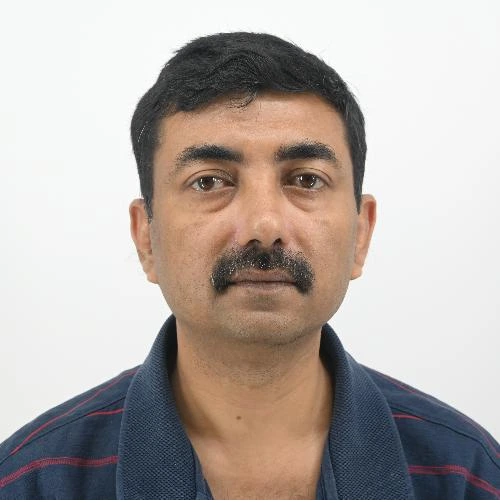
Faculty Details Ashutosh Suresh Gandhi

Professor

Ashutosh Suresh Gandhi

Email: agandhi[at]iitb[dot]ac[dot]in

Phone: (+91) (022) 2576 7614

Education: 

  • Phd ­ Metallurgy, IISc Bangalore, 2001 
  • ME ­ Metallurgy, IISc Bangalore, 1994
Teaching
  • Departmental Excellence in Teaching Award, IIT Bombay 2021 Structural Characterisation of Materials (MM732), M.Tech. Core High Temperature Corrosion (MM 695), M.Tech. Core 
  • Physical Metallurgy (MM737), M.Tech. Core 
  • Mechanical Characterisation of Materials (MM733), M.Tech. Restricted Elective Topics in Mechanical Behaviour of Materials (MM730), M.Tech. Restricted Elective Ceramics and Powder Metallurgy (MM357), B.Tech. Core 
  • Manufacturing Processes Laboratory (MM323), B.Tech. Core
Research profile
  1. High temperature protective coatings: a) Thermal barrier coatings (TBCs) ­ i) New thermal barrier materials based on 'high entropy' ceramics. Indian Patent #381163 (Nov 2021), Application No. 201921032434 (Aug 2019). ii) Condition monitoring of TBC system by spectroscopic sensing iii) Phase transformations and property evolution in zirconia TBCs. Mater. Sci. Eng. A, 556, 927­935 (2012). b)Environmental barrier coatings (EBCs) ­ i) Thermodynamic explanation of multiple phase formation in rare earth silicate EBCs ii) Slurry spray deposited, in­situ reaction sintered, multilayered EBCs 
  2. Multicomponent equimolar 'high entropy' oxides ­ a) Spinel, perovskite, pyrochlore/fluorite structured 'high entropy' oxides. Materialia (20) 101259 (2021) b) Advanced structural characterisation of 'high entropy' oxides c) Interesting properties: Thermal, optical, dielectric, and mechanical 
  3. Alumina based glasses a) Rare­earth and transition metal oxide additives to stabilise glassy phase b) Low temperature sintering of alumina glasses c) Advanced structural characterisation of alumina glasses
Research interest
  • Science of Ceramics, 
  • High Temperature Protective Coatings (TBCs and EBCs), 
  • Multicomponent Equimolar (High Entropy) Ceramics, 
  • Phase Transformations, 
  • Metastable and Amorphous Materials

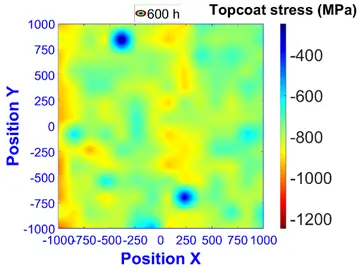
Residual stress in thermal barrier coating measured by Raman spectroscopy.

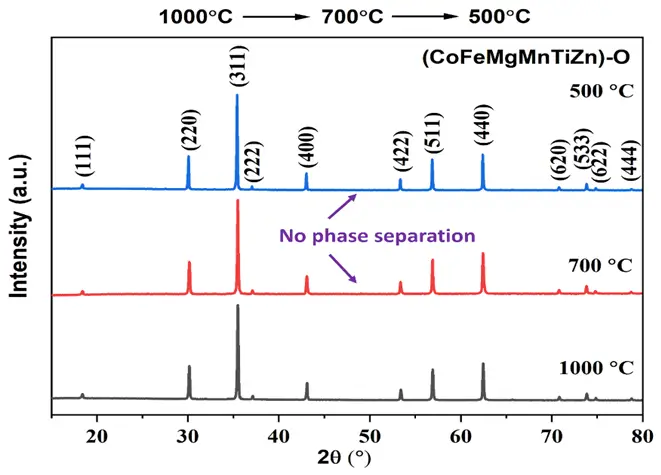
Thermally stable multicomponent equimolar 'high entropy' spinel.

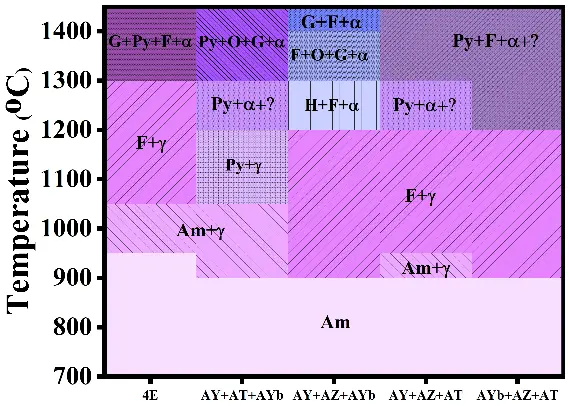
Enhanced thermal stability of alumina glasses by composition design.

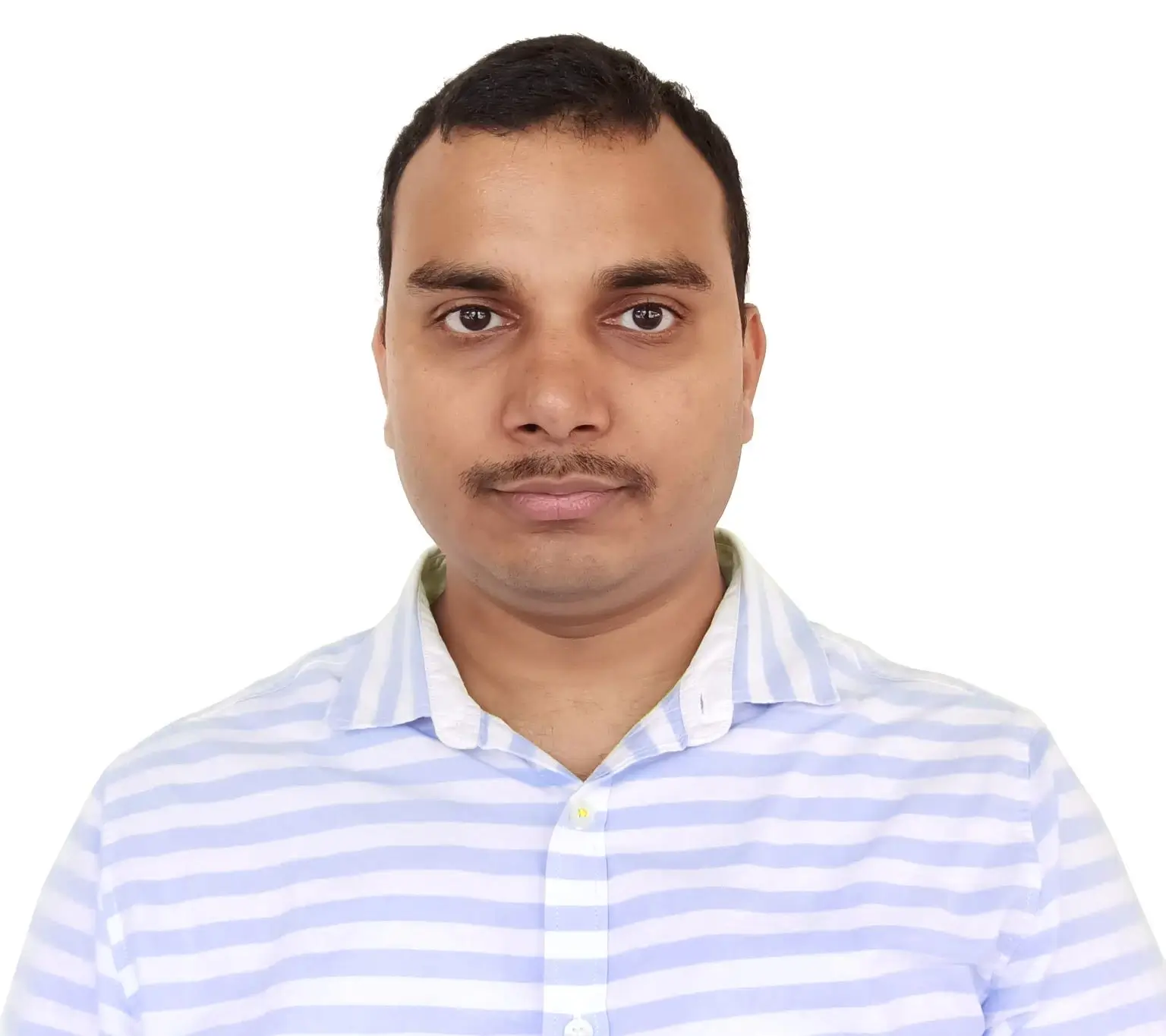
Faculty details Abhijeet L. Sangle

Assistant Professor

Abhijeet L. Sangle

Email: alsangle[at]iit[dot]ac[dot]in

Phone: (+91) (022) 2159 6742

Education:

  • PhD ­ Materials Science, University of Cambridge, 2016 
  • (B.Tech. + M.Tech.) Dual degree ­ Metl. Engg. & Matls. Sci. IIT Bombay, 2011
Teaching

Abhijeet is interested in pedagogy of structure­property relationships and functional materials in general. 

UG courses: Structure of Materials (Autumn semester), Materials Processing Laboratory (Spring semester) 

PG courses: Principles and Applications of Ferroelectric and Piezoelectric materials (proposed, starting Spring semester 2024)

Research profile

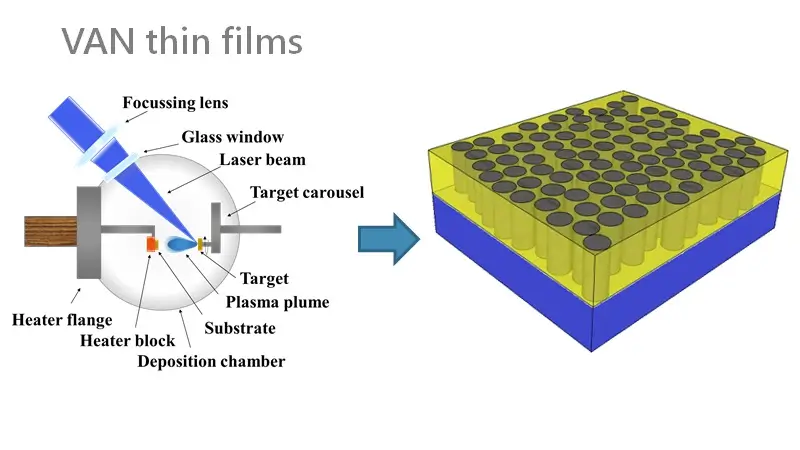
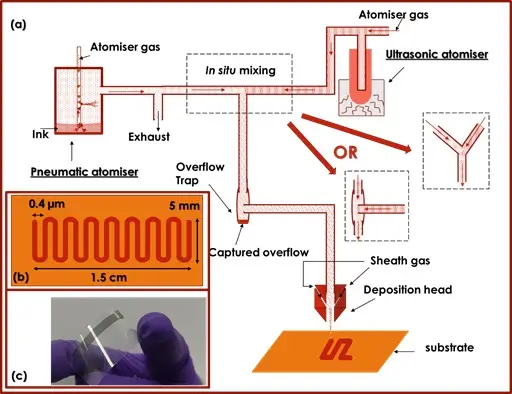
Abhijeet works in the broad area of thin films of functional materials for various applications. He is particularly interested in employing nanostructuring to enhance various properties of thin films of functional materials. One of the main themes of his research is self­assembled vertically aligned nanocomposite (VAN) films incorporating functional materials such as piezoelectrics, ferroelectrics, thermoelectrics and photoactive materials for applications in the areas of tunable high frequency devices 1 , sensors and actuators; energy harvesting 2 and storage; non­volatile memories 3 , etc. Abhijeet leverages the pulsed laser deposition facilities available in the department to grow these films. Besides, he is also working towards building a multi­target co- sputter deposition facility equipped with advanced in situ diagnostics. Drawing inspiration from his prior work in aerosol­jet printing technology 4 , Abhijeet is also working on developing bespoke inks of functional materials for various printed electronic devices. In the past, Abhijeet was a part of the corporate R & D division of Applied Materials India, where he worked on large area deposition of thin films of various piezoelectric materials. Given his background in industry, Abhijeet is highly passionate about translational research, taking lab­scale ideas to working prototypes/scaling up studies.

Research interest
  • Thin films of functional materials 
  • Pulsed Laser Deposition and Sputter Deposition 
  • Self­assembled vertically aligned nanocomposite (VAN) thin films 
  • Ferroelectrics, piezoelectrics, photoelectrochemical green hydrogen generation, thermoelectrics, non­volatile memories

Schematic of PLD and VAN th in films

Schematic of Aerosol­jet printing process showing implementation of in situ mixing to print composite materials

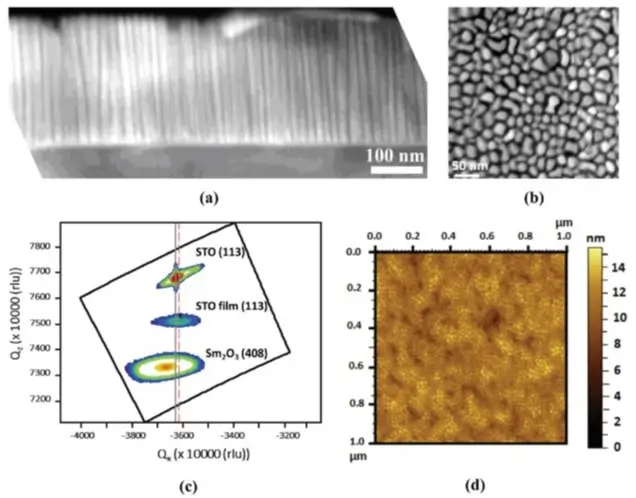
SrTiO3­Sm2O3 (30­70 wt%) VAN films, 250nm thick (a) Cross­sectional STEM, (b) Plan- view STEM, (c) reciprocal space map, (d) AFM image showing topography. Source: Sangle, A. L., et al., Nanoscale (2018); STEM image credits: H. Wang group, TAMU (now at Purdue)

References
  1. Sangle, A. L. et al. Very high commutation quality factor and dielectric tunability in nanocomposite SrTiO3 thin films with Tc enhanced to >300 °C. Nanoscale 10, 3460–3468 (2018). 
  2. Sangle, A. L. et al. Very High Surface Area Mesoporous Thin Films of SrTiO3 Grown by Pulsed Laser Deposition and Application to Efficient Photoelectrochemical Water Splitting. Nano Lett 16, 7338–7345 (2016). 
  3. Lee, S. et al. Novel electroforming­free nanoscaffold memristor with very high uniformity, tunability, and density. Advanced Materials 26, 6284–6289 (2014). 
  4. Ou, C. et al. Enhanced thermoelectric properties of flexible aerosol­jet printed carbon nanotube­based nanocomposites. APL Mater 6, 096101 (2018).
Subscribe to Ceramics, Glass & Refractories