
Energy Storage, Electrochemistry & Hydrogen
The Energy Storage, Electrochemistry and Hydrogen research area addresses critical challenges associated with sustainable energy generation, storage, conversion, and utilization. As the global transition toward clean energy accelerates, research in this domain plays a central role in developing technologies that support decarbonization and energy security.
Faculty members investigate the fundamental electrochemical processes governing batteries, supercapacitors, fuel cells, electrolyzers, and hydrogen production systems. Research focuses on understanding charge transport, reaction kinetics, electrode-electrolyte interfaces, degradation mechanisms, and materials performance under operational conditions.
Key research themes include lithium-ion batteries, sodium-ion batteries, solid-state batteries, supercapacitors, hydrogen evolution and oxygen evolution reactions, proton exchange membrane fuel cells, water electrolysis, photocatalytic and photoelectrochemical hydrogen production, and advanced electrocatalysts for renewable energy applications. Significant efforts are devoted to the development of novel electrode materials, nanostructured catalysts, solid electrolytes, and multifunctional energy storage systems.
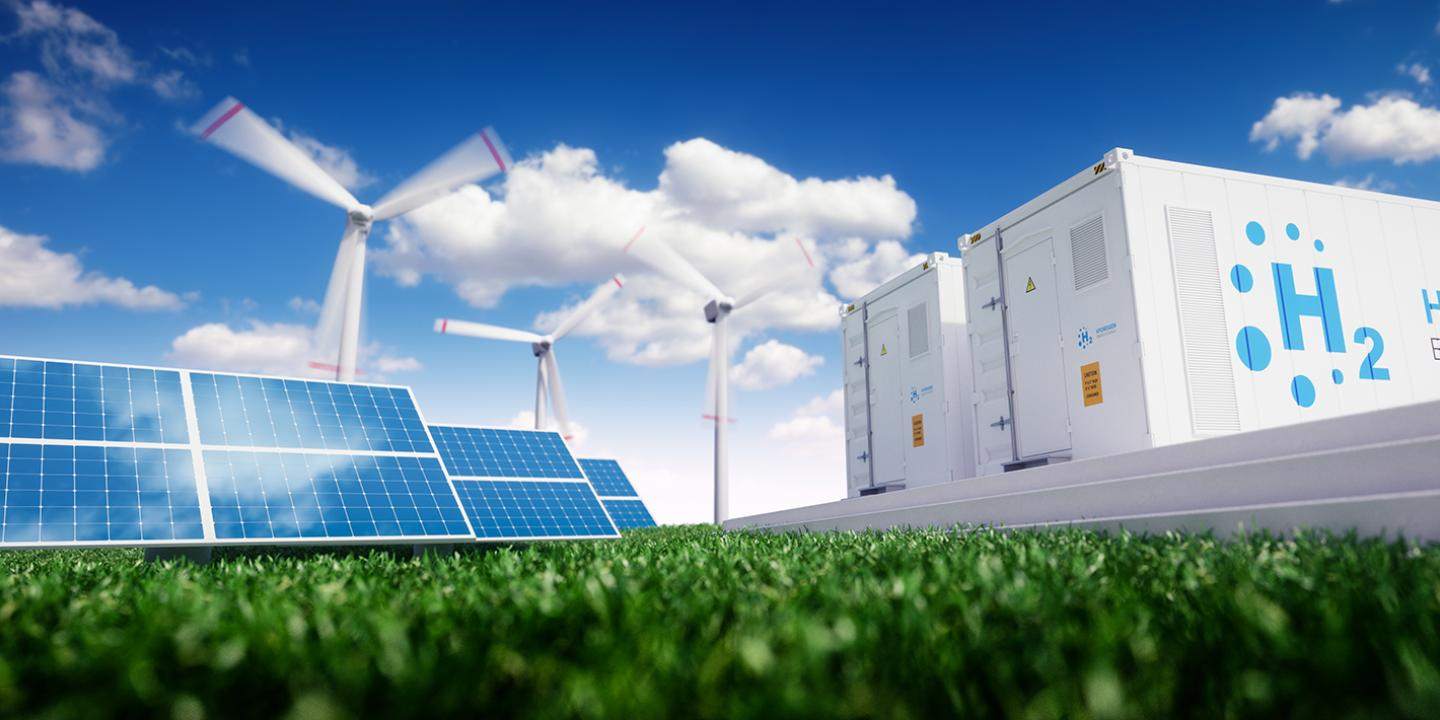
Advanced characterization techniques and computational methods are employed to understand electrochemical behavior at multiple scales, enabling the design of high-performance materials and devices. Research also explores the integration of renewable energy sources with hydrogen technologies to support future energy infrastructure.
The area contributes to national and global priorities related to clean energy, carbon neutrality, and sustainable development. Applications include electric vehicles, grid-scale energy storage, portable electronics, green hydrogen production, and renewable energy systems.
Through interdisciplinary collaboration involving materials science, chemistry, physics, and engineering, this research domain seeks to develop transformative solutions for next-generation energy technologies. The outcomes support the creation of efficient, durable, and environmentally responsible systems capable of meeting future energy demands while minimizing environmental impact.