Mithun Chowdhury
Mithun Chowdhury
mithunc[at]iitb[dot]ac[dot]in
(+91) (022) 2576 7632
Associate Professor
View profile
Research category

Mithun Chowdhury
mithunc[at]iitb[dot]ac[dot]in
(+91) (022) 2576 7632
Associate Professor
Class of 1985 Chair Professor for Technology & Sustainable Development
Parag Bhargava
Email: pbhargava[at]iitb[dot]ac[dot]in
Phone: (+91) (022) 2576 7628
Education:
In the departmental introductory course (Materials & Technology) he always begins with discussion on engineering, its role in shaping the society and economy, the role of innovation etc. In his teaching, besides the formal curriculum he has always included projects which require some handson thinking. Some of the projects assigned include disassembly of gadgets, machines, instruments where the students are required to study the function of each part, the materials that the parts are made of and the methods by which these parts are manufactured and whether they are produced in India. Other projects were based on fabrication, materials recycling and identification of a new need/ unsolved problem / improvement needed by interviewing at least 15 – 20 stakeholders.
Courses taught: Experimental Techniques in Materials Science; Ceramic Processing Techniques; Colloid and Interfacial Science; Materials and Technology / It’s a Materials World
Most of Prof. Bhargava’s work is centred around particulate materials. His group, while working on basic research, has always maintained a keen interest in application oriented or product development research. He and his group has also been undertaking research on scaling up of previously developed processes in the lab. He is a cofounder of several companies in the domain of particulate processing / ceramics (ANTS Ceramics, Digident LLP, Metwiz Materials). Some of the technology development work undertaken includes Electrophoretic deposition of diamond particles on phosphor bronze wheels for jewellery diamond sawing applications, Conductive silver paste for flexible membranes for use in keyboards, Ceramic carbon resistors for electrical power applications, A process and machine for spinning ceramic (alumina) fibres, A process for making kg level quantity of nanozirconia, Ceramic foams for high temperature thermal insulation and machine for continuous production of ceramic foams.
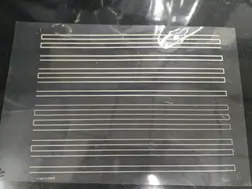
Screen printed silver paste for flexible electronics
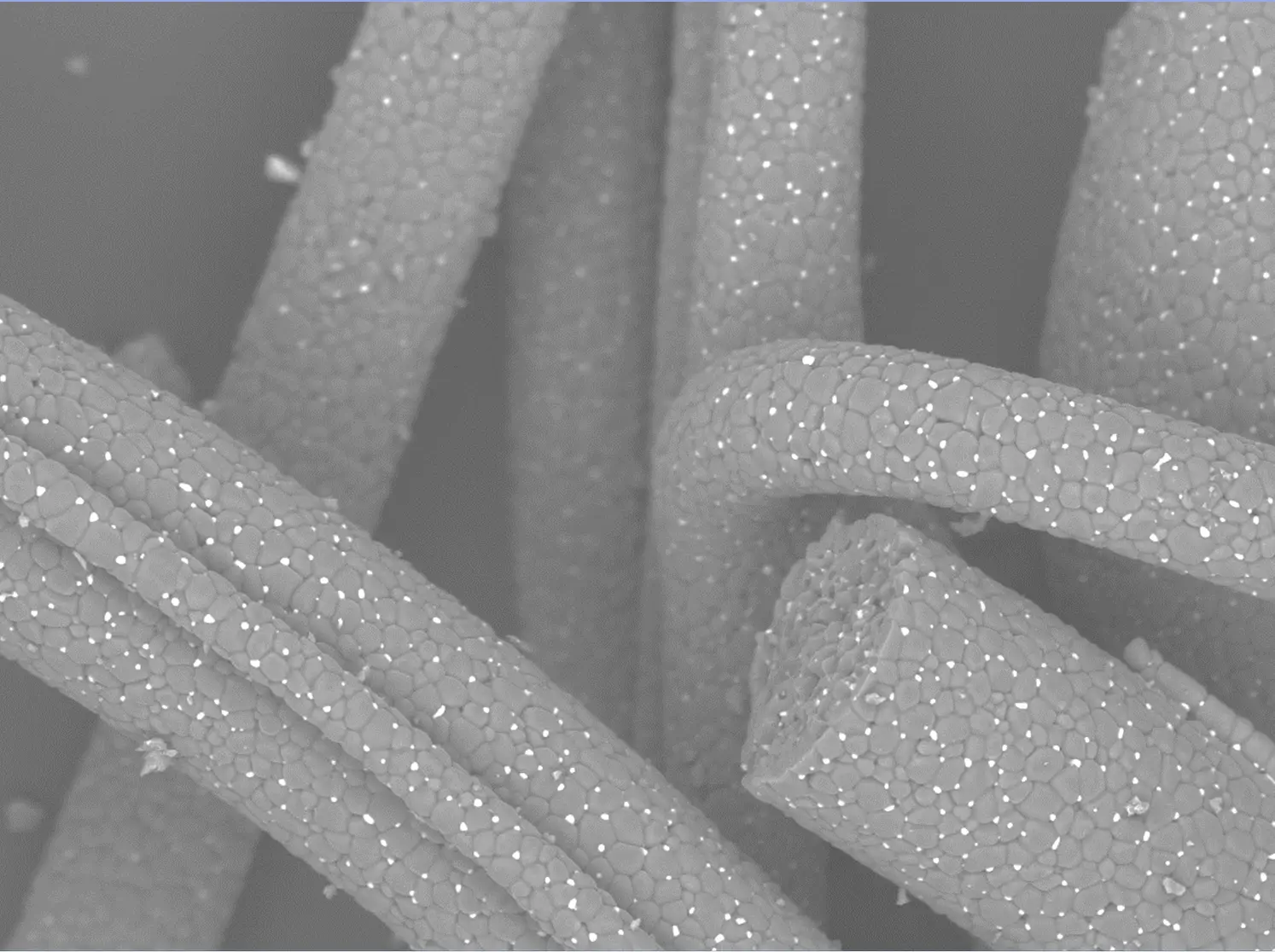
Centrifugally spun ceramic fibres for high temperature applications
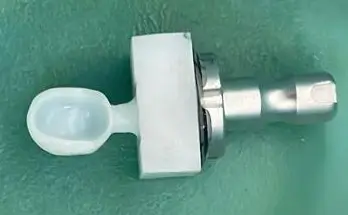
Machinable glass ceramic for dental applications
Parag Bhargava
pbhargava[at]iitb[dot]ac[dot]in
(+91) (022) 2576 7628
Class of 1985 Chair Professor for Technology & Sustainable Development
Assistant Professor
Prasanna Kumar S. Mural
Email: prasannamural[at]iitb[dot]ac[dot]in
Phone: (+91) (022) 2576 7635
Education:
Prof. Prasanna kumar's teaching policy involves him being always humble and remain as a student for learning. He believes in teaching that imparts confidence in critical thinking to the students so they are in a position to communicate their knowledge efficiently. His teaching instills a foundation for students to venture and tackle the new problem with cuttingedge research. Some courses taught are:
Undergraduate Course: Engineering Polymers & Composites, Heat Treatment Laboratory
Postgraduate Course: Communication Skills, Sustainable Materials for Water Treatment
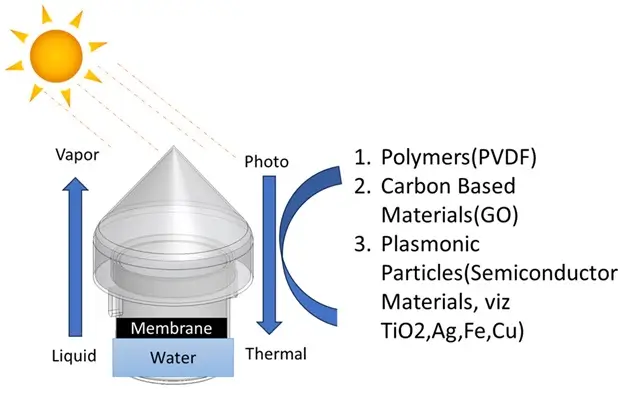
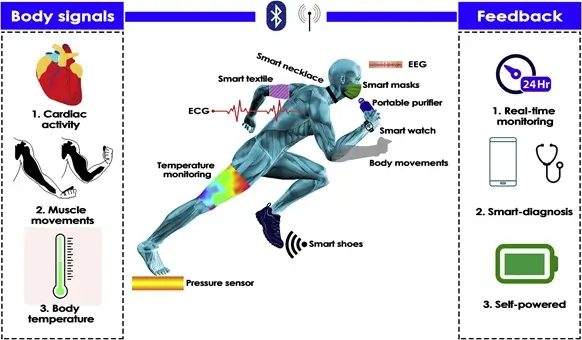
Prof. Prasanna Kumar’s research interests are in the area of Polymer nanocomposites for developing sustainable technologies to meet energy and water demand. His work involves the synthesis of nanoparticle preparation, tailoring the nanoparticles with suitable chemical functionalities, polymer nanocomposite preparation, and materials characterization that benefit in developing suitable nanocomposite material which may assist in emerging sustainable technologies. His work is interdisciplinary research that involves bridging to connect nanotechnology from lab setup to industrial scale to meet energy and water demand. A major aspect of his research is the development model system for process integration of new avenues in developing future products. During his tenure at NIT Calicut, Kerala he established nanogenerator material for energy harvesting. His team at IITB is looking into developing multifaceted materials for energy, water, and sensor applications [1,2,3].
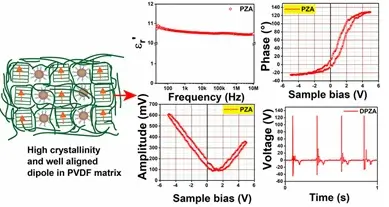
Films for Energy Harvesting
Thin film composite membrane
Multifunctional material in real world
Prasanna Kumar S. Mural
prasannamural[at]iitb[dot]ac[dot]in
(+91) (022) 2576 7635
Assistant Professor
Institute Chair Professor
Rajiv O. Dusane
Email: rodusane[at]iitb[dot]ac[dot]in
Phone: (+91) (022) 2576 7633
Education:
Prof. Dusane has engaged students in thin films and semiconductor device processing courses over the last 20 or more years with special emphasis on the practical aspects. He also established the Thin Film lab for both UG and PG students. As his special interest he also took the communication course for the PG students.
Undergraduate course: Science and Technology of Thin Films
Postgraduate course: Materials and Processes for Semiconductor Device Manufacturing
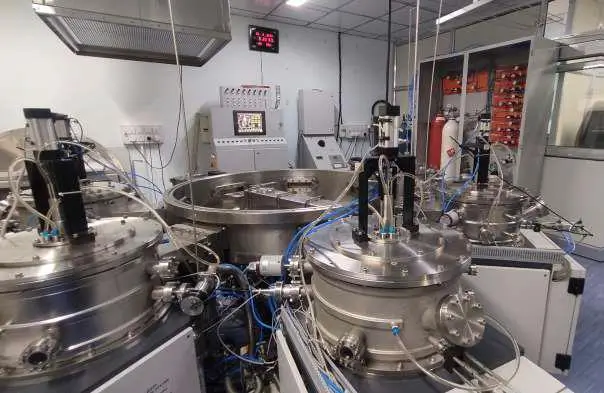
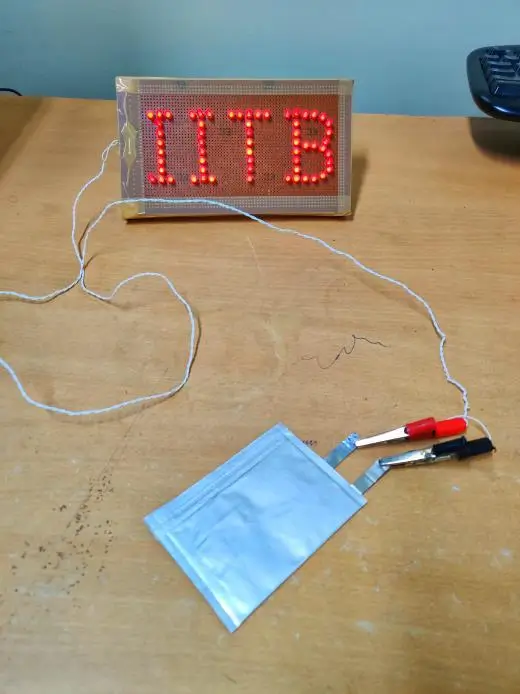
Prof. Dusane has over the last 30 years carried out fundamental and applied research in the area of semiconductor thin films and devices, surface modification and plasma processing of various materials with a view to develop new processes and materials in thin film and nano structure form, capable for a variety of applications ranging from solar cells, thin film light emitting devices (TFLEDs), microelectronic devices, sensors and actuators (MEMS) and batteries. He has done pioneering work in the area of Hot Wire Chemical Vapor Deposition (HWCVD) process in this country. Several patents have resulted out of this work and some successful industrial collaborations have also been undertaken. Over these years he has established state of the art facilities for thin film deposition and characterization. Recent significant work from his group is the Silicon nanowirebased anode for Liion battery. The work carried out till now has demonstrated the capabilities of the Hot Wire process in diverse areas like Microelectronics, Biocompatible materials, surface functionalization and modification, barrier layers etc. This has given new directions to the applicability of the HWCVD process in the area of MEMS and sensors. Recently he has designed and developed a HWCVD multichamber cluster tool, the first of its kind in the country.
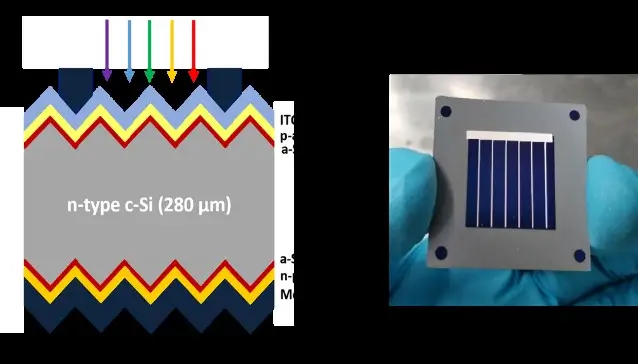
HIT solar cell on textured Silicon wafer architecture and fabricated cell
The newly developed HWCVD multichamber system
Silicon Nanowire Anode based Li ion pouch cell
Rajiv O. Dusane
rodusane[at]iitb[dot]ac[dot]in
(+91) (022) 2576 7633
Institute Chair Professor
Professor
Shobha Shukla
Email: 184114003[at]iitb[dot]ac[dot]in
Phone: (+91) (022) 2576 7607
Education:
Prof. Shobha Shukla teaches a range of courses, encompassing not only technical but also soft skills. Some of the courses offered by her are
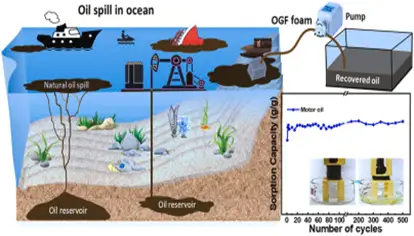
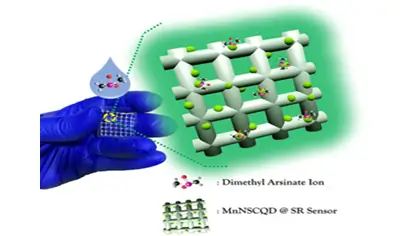
Prof. Shobha Shukla specializes in research areas including 3D/4D micro/ nanofabrication using twophoton lithography, wastewater treatment, biophotonics, and plasmonic devices. She collaborates extensively with industry, government, and academic partners, employing both experimental and computational approaches to address global environmental challenges related to air, water, and energy. Recently, her team at IIT Bombay has developed the first additivefree allcarbon composite for patterning of fluorescent micro/nanostructures [1]. Another team is focused on wastewater treatment, using graphenebased porous materials and nanocomposite polymer membranes. They have developed a range of working devices, like Oil Shark_R, Dye Monster, H MetaS, and Oil Trapper, aimed at resource recovery and water purification [2]. The development of a miniaturized nano sensor for the detection of the arsenic species in water, is another example of work which lies at the intersection of chemistry, photonics and water quality monitoring. In addition to her research, Prof. Shukla serves as the Centerin Charge at the Water Innovation Center: Technology Research & Education (WICTRE). She is also an associated faculty member at the IITBOhio State Frontier Science and Engineering Research Center. She also serves an an Editorial Board member of 'Scientific Reports' (Nature Publishing Group), 'Journal of PhysicsPhotonics' and 'Nanotechnology' (IoP Publishing), and the Editorial Advisory Board Member of 'Materials Open Research' by Taylor & Francis. She has also been involved as a Guest Editor for “Thematic issue in Graphene synthesis & patterning” by 'Frontiers in Materials' and a special issue focussed on "Metaphotonics" in 'Journal of PhysicsPhotonics.”
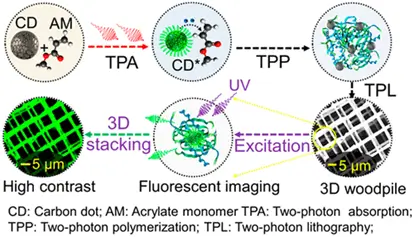
Twophoton patternable all carbon material system for the fabrication of fluorescent micro/nanostructures [1].
Development of graphenebased materials for oil and organic solvent recovery and water purification [2].
Singleplatform device developed for the detection of organoarsenic species in water [3].
Shobha Shukla
184114003[at]iitb[dot]ac[dot]in
(+91) (022) 2576 7607
Professor
Sumit Saxena (FRSC, FIMMM, FNESA)
sumit[dot]saxena[at]iitb[dot]ac[dot]in
(+91) (022) 2576 7615
Professor